 Skip to content

Can Candy Gas Strain Help With Insomia ?
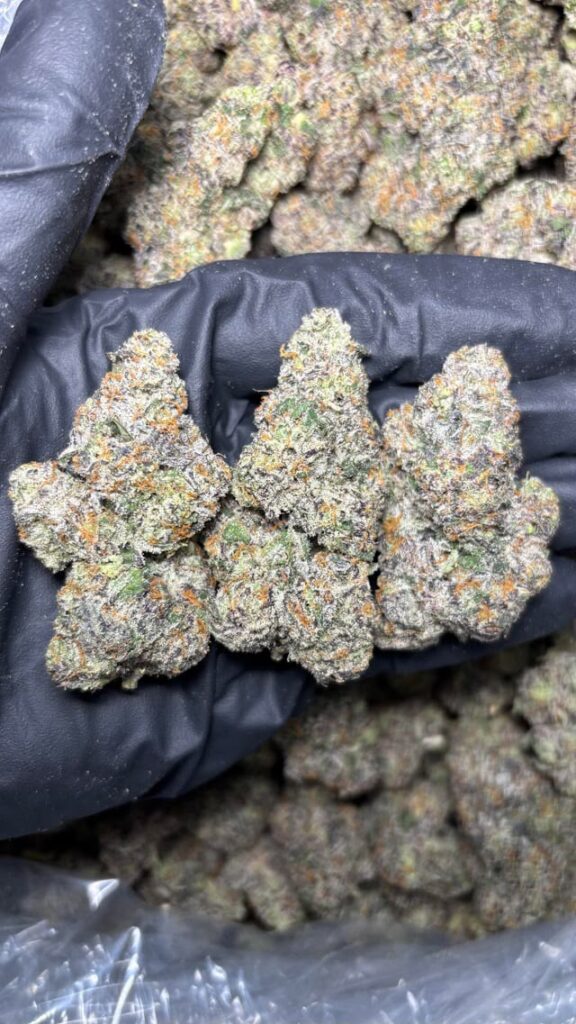
If you’ve been searching “candy gas for sleep,” you’ve probably already smelled the jar. That sweet, sugary candy scent hits first, then a wall of diesel gas rolls in right behind it. It’s a strange, likable combo. And once people get past the smell, the real question shows up: does this stuff actually help you sleep, or does it just knock you out for a few hours and leave you groggy? 🍬⛽
I went through the strain data, the lab-tested terpene sheets, real user reviews on Leafly and Reddit, and a stack of sleep science papers to answer that honestly. Not the copy-paste version you’ll find on a dozen dispensary blogs. The real one.
Short answer: Candy Gas can help with sleep, especially sleep onset (the part where you’re lying there, mind racing, waiting to drift off). But it comes with tradeoffs. High THC strains like this one change your sleep in ways that matter, and “candy gas insomnia” relief isn’t the same thing as good, restorative sleep every single night. Let’s get into why. 😴
Here’s the thing that made me want to write this in the first place. Most “is this strain good for sleep” articles just list terpene percentages and call it a day. That tells you almost nothing on its own. Myrcene sounds sedating on paper, but so does half the terpene wheel if you squint at the marketing copy. What actually matters is how these compounds behave in your body, what the dose-response curve looks like, and what happens after night ten, not just night one. So that’s what this covers. The genetics, the chemistry, the research on THC and sleep stages, and what real people say happens when they actually try it.
What Is Candy Gas, Exactly?
First, a quick reality check on the name, because it gets confusing fast.
“Candy Gas” is used two different ways in the cannabis world. Sometimes it’s a specific, named strain. Other times it’s a style label, like “gassy dessert strain,” applied to any cross that smells sweet and fuel-heavy. You’ll also see it flipped as “Gas Candy.”
Most sources trace the actual named genetics back to one of two crosses:
- Gelato 41 x Runtz, bred by Grounded Genetics
- Kandy Kush x OG #18, bred by Crockett Family Farms
Both lineages land in roughly the same place: a hybrid that leans indica, with a sweet candy front and a gassy, diesel finish. SeedsHereNow describes it as a strain built on “premium genetics” from Gelato 41 and Runtz, and notes that its calming properties can help people dealing with insomnia get a more restful night. Leafly lists the Crockett Family Farms version as a 50/50 hybrid sitting around 20% THC.
Here’s the thing nobody tells you upfront: because two different breeders made two different “Candy Gas” strains, what you get can vary a lot depending on who grew your batch. That matters more than people realize when you’re using it specifically for sleep, because the terpene ratio (not just the THC number) is what actually drives the sedation.
As for what it’s actually like to hold and smell, dense, sticky buds with a deep green to purple color, sometimes with amber hairs running through them, all coated in trichomes. Crack the jar and you get sweet candy up top, fruity and almost dessert-like, with a sharp diesel punch sitting right underneath it. On the exhale, the gas comes through even stronger. It’s a loud smell in the literal sense, the kind that fills a room fast.
Price-wise, Candy Gas usually runs on the higher end. Expect somewhere around $10 to $17 a gram depending on where you are and whether you’re buying craft, small-batch flower or a bulk option. Buying by the ounce tends to bring the per-gram price down if it’s something you plan to use regularly for sleep rather than as an occasional treat.
And one more thing worth flagging before we get into the science: Candy Gas isn’t really marketed as a dedicated “nighttime” strain the way something like Granddaddy Purple or Northern Lights is. It’s sold more as an all-purpose hybrid, good for stress, mood, creativity, and unwinding after work. The sleep benefit shows up more at the higher end of the dose range, which is a pattern you’ll see repeated throughout this article.
The THC Numbers Behind Candy Gas for Sleep
Let’s talk potency, because this is where Candy Gas stands out from your average nighttime strain.
Lab reports on Candy Gas typically land in the 20% to 28% range, depending on the grower and the specific cut. Herb’s strain breakdown describes it as “high-THC,” often sitting in the mid-20s and up, while Leafly’s listing for the Crockett Family Farms version comes in closer to 20%. Either way, this is a strong strain. Not a beginner’s nightcap.
That range matters a lot for anyone thinking about candy gas for sleep. A 28% THC flower is going to hit differently than an 18% strain, even in the same amount. If you’re new to cannabis, or you haven’t used it in a while, that potency gap can turn “relaxed and sleepy” into “anxious and wired” pretty fast. More on that later.
The Terpene Science: Why Candy Gas Actually Feels Sedating
THC gets all the attention, but if you want to understand why a strain makes you sleepy instead of just high, you have to look at the terpenes. This is the part most strain reviews skip, and it’s honestly the most interesting part.
Candy Gas typically tests high in a few key terpenes: myrcene, caryophyllene, limonene, and sometimes pinene, linalool, or humulene depending on the pheno. Each one does something different to your body, and together they explain a lot about why people report better sleep after using it.
Myrcene: The One Doing Most of the Heavy Lifting 🌿
Myrcene is the terpene most responsible for that heavy, “couch-lock” feeling people associate with indica strains. It’s earthy and musky, and it shows up in mangoes, hops, and lemongrass too, not just cannabis.
Here’s what the research actually shows. Studies on rodents found that myrcene slows motor activity, increases muscle relaxation, and extends total sleep time, in some cases by 2.6 times at higher doses. The way it seems to work is by enhancing activity at the GABA-A receptor, the same general pathway targeted by benzodiazepines, the class of drugs that includes prescription sleep and anxiety medications. That’s not a small thing. It’s also why myrcene-heavy strains get compared to a “natural” sedative more often than other terpenes do.
One detail worth knowing: it’s not really accurate to say “indica strains are sedating and sativas aren’t.” Research increasingly points to myrcene content, not the indica/sativa label, as the actual driver of that sleepy feeling. A high-myrcene sativa can knock you out just as easily as a myrcene-heavy indica. So when people say Candy Gas is “indica-leaning” and therefore sleepy, what they’re really responding to is the myrcene underneath that label.
A separate study on mice with induced insomnia found that beta-myrcene (isolated from lavender oil, not cannabis) reduced the time it took the mice to fall asleep, increased how long they stayed asleep, and raised levels of GABA and serotonin in the brain. The researchers concluded beta-myrcene shows real promise as a sedative-hypnotic compound worth studying further in humans.
Caryophyllene: Less About Sleepiness, More About Quieting Your Mind
Caryophyllene (sometimes called beta-caryophyllene or BCP) smells peppery and spicy, and it works differently than myrcene. Instead of acting like a sedative, it binds to CB2 receptors, part of your endocannabinoid system, and that interaction is linked to reduced anxiety and lower inflammation.
This matters for sleep because a lot of insomnia isn’t really about your body being unable to rest. It’s about your brain refusing to shut off. Research on BCP has found it produces anxiety- and depression-reducing effects in animal studies through CB2 receptor activation, without the sedation or grogginess you’d get from a benzodiazepine. Separately, in a pentobarbital-induced sleep experiment, caryophyllene reduced the time it took mice to fall asleep and extended how long they stayed asleep.
Basically: myrcene relaxes your body, caryophyllene quiets your head. When both show up in the same strain, you get a fuller kind of calm than either one gives you alone.
Limonene, Linalool, and the Supporting Cast
Depending on the pheno, Candy Gas may also carry limonene (citrusy, mood-lifting), linalool (floral, the same compound that makes lavender calming), and occasionally pinene or humulene. Linalool has anxiolytic effects that some research compares to prescription anti-anxiety medication, working through GABA receptor activity similar to myrcene, but with a gentler, more floral feel.
Limonene is the odd one out here. It’s more energizing and mood-boosting than sedating, which is part of why Candy Gas often starts with an uplifting, social head high before the body relaxation sets in. That opening lift, followed by a slower fade into calm, is a pattern reviewers mention again and again.
There’s also a real, tested reason terpene blends work better together than any single one alone. A double-blind, placebo-controlled, randomized crossover study gave insomnia patients a formulation combining CBD with eight different terpenes, including myrcene, linalool, and caryophyllene, and found it increased restorative sleep compared to placebo. Notably, that formula had no detectable THC in it. Which brings up an important point: you don’t necessarily need THC to get a terpene-driven sleep benefit. But Candy Gas isn’t that kind of product. It’s a high-THC flower, and that changes the equation.
The THC Interaction: What Happens to Your Sleep When You Add THC
This is the part most strain reviews leave out completely, and it’s the part that actually matters most if you’re using Candy Gas specifically for insomnia.
THC doesn’t just make you sleepy. It changes the structure of your sleep, what scientists call sleep architecture. And the honest answer is: this is a mixed bag.
THC and REM Sleep
A 2025 systematic review and meta-analysis on cannabis and sleep architecture found that high-dose THC studies from the 1970s consistently showed REM sleep suppression, while more recent, lower-dose studies showed mixed and thinner results. The effect looks dose-dependent. A low therapeutic dose, in the 2.5 to 15 mg range, tends to cause minimal REM disruption. Higher doses cause more.
That matters a lot for a strain like Candy Gas, which runs 20% to 28% THC. This isn’t a low-dose product. A more recent, well-controlled study backs this up directly. A 2026 randomized controlled trial published in the Journal of Sleep Research gave a THC/CBD combination to people with insomnia who weren’t regular cannabis users, and measured their brain activity overnight. The result: REM sleep dropped by almost 34 minutes, and it took people significantly longer to reach REM sleep in the first place. Researchers noted the effect was comparable in size to what you’d see with certain prescription sedatives.
Why does that matter? REM sleep is when your brain does a lot of its emotional processing and memory consolidation. Losing REM time isn’t the same as “sleeping badly,” you can still feel like you slept fine, but it’s not nothing either. The same study found no noticeable next-day impairment on objective testing, which is reassuring. But researchers were clear that this was a single dose in cannabis-naive people. Regular use changes the picture.
Tolerance, and What Happens When You Stop
Here’s the part that explains a lot of real-world experiences with strains like Candy Gas. Research shows that with repeated cannabis use, tolerance to THC’s REM-suppressing effect can develop over time. Your brain adjusts. The sedation that worked great in week one might feel less effective by week four.
And then there’s the flip side, which barely anyone brings up: stopping suddenly after regular use can cause rebound sleep problems. Withdrawal from chronic cannabis use has been shown to disrupt sleep, cutting total sleep time and making it harder to fall asleep in the days after quitting. So if you’ve been using Candy Gas nightly for weeks and then skip a night, feeling more wired than usual isn’t random. It’s a known pattern.
None of this means Candy Gas is a bad choice for candy gas insomnia relief. It means the picture is more complicated than “it has sedating terpenes, so it helps you sleep.” It does help many people fall asleep faster. But the type of sleep you get, and how your body responds over weeks of use, is a different question than a simple yes or no.
Candy Gas Insomnia Relief: Why Dose Matters More Than the Strain Name
I want to slow down on this point because it’s the single most important thing in this whole article.
Candy Gas insomnia relief isn’t a fixed effect that happens automatically because of the strain’s name or its terpene sheet. It’s a dose-dependent effect. The exact same jar of flower can lift your mood and sharpen your focus at a small amount, and knock you flat at a larger one. That’s not a flaw in the strain. It’s just how THC works, especially at the potency Candy Gas runs.
Herb’s reviewer roundup describes this exact pattern: a moderate dose keeps you social and functional while easing tension, but push past that and the indica side takes over into full sedation. That lines up with everything else in the research. Low to moderate THC tends to produce mood lift, sociability, and light relaxation. Push past that threshold, and the same strain tips into heavier sedation, and eventually full couch-lock.
This is why “does Candy Gas help with insomnia” doesn’t have one universal answer. It depends on:
- How much you use. A light amount might just relax you without making you sleepy. A heavier amount is what tends to actually produce sleep.
- Your tolerance. Someone who uses cannabis regularly needs more to feel the same effect than someone who rarely uses it. That also means a “sleep dose” for a regular user could be an overwhelming dose for a first-timer.
- The specific batch. Because Candy Gas comes from two different lineages and plenty of growers, the terpene ratio in your jar might lean harder into myrcene (more sedating) or lighter into limonene (more uplifting) than the next person’s jar.
- What kind of insomnia you’re dealing with. If your problem is a racing, anxious mind, the caryophyllene and linalool content matters more to you. If your problem is physical restlessness or pain keeping you up, the myrcene and the THC itself are doing more of the work.
None of this means you need to overthink every session. It just means treating Candy Gas as a one-size-fits-all sleep aid is where people run into trouble, either not getting sleepy at all, or getting hit harder than they expected.
Candy Gas for Evening Use: Getting the Timing Right
If you’re going to try Candy Gas for sleep, timing changes everything. Here’s what actually matters.
Onset speed depends on how you use it. Smoking or vaping Candy Gas kicks in within minutes, which makes it easier to judge in real time whether you’re getting sleepy or getting too high. Edibles take 30 to 90 minutes to hit and last much longer, which sounds great for an all-night sleep aid, but also means less room to correct course if the dose is too strong.
Give it space before bed, not right at bedtime. Terpene-driven sedation, especially from myrcene, tends to build gradually rather than hit all at once. General guidance for myrcene-rich products suggests using them 45 to 60 minutes before you actually want to be asleep, since the sedative effect typically peaks around 90 minutes in and can run 4 to 6 hours. Smoking flower moves faster than that, but the same logic applies: give yourself a buffer instead of lighting up the second you crawl into bed.
Evening, not late afternoon, is genuinely the sweet spot. Reviewers consistently describe Candy Gas as working well from afternoon into evening, with the euphoric, social head high showing up first and the heavier body relaxation creeping in later. That’s a strain built for winding down over a couple of hours, not for an instant lights-out effect. If your goal is candy gas insomnia relief specifically, using it earlier in the evening, rather than at midnight when you’re already desperate to sleep, gives the terpenes time to do the slower part of their job before the THC sedation takes over.
Respect the potency. Because Candy Gas runs so high in THC, “start low and go slow” isn’t just a throwaway line, it’s the actual difference between relaxed sleep and an uncomfortable, anxious night. Reviewers specifically warn that Candy Gas can sneak up on you, and low-tolerance users should pace themselves.
What Real Users Actually Say About Candy Gas and Sleep
Strain science is one thing. What people actually experience is another. So here’s what shows up consistently across reviews.
A Leafly reviewer of the Crockett Family Farms cut wrote that the smell was “off the chart” and the taste was “very fruity,” adding that the high was “nice and mellow but strong at the same time,” and that it helped with chronic shoulder pain and insomnia.
Another reviewer on the same page described the onset as a solid head change first, then a melt into a relaxed body high, “without completely knocking me out,” calling it a good balance between euphoric and chill.
Across Leafly, Weedmaps, and Reddit threads, Herb’s roundup found two themes holding steady: the flavor is loud and memorable, and the high is potent but balanced, lifting mood first before settling into calm. Reviewers there also flagged the strain’s tendency to sneak up on people at higher doses, pushing past relaxed and into fully sedated territory.
Put together, the pattern is consistent: light to moderate use tends toward mood lift and calm relaxation, while a heavier dose is what tips things into actual sleep. That lines up with what the terpene and THC research says too. It’s a dose-dependent strain, not a flat “this makes you sleepy” product.
Who Should Be Careful With Candy Gas
I want to be straight with you here instead of just selling the upside.
If you’re new to cannabis or have low tolerance, the THC level alone (up to 28%) is enough to cause dizziness, racing thoughts, or mild paranoia at a dose that would feel mellow to a regular user. That’s the opposite of what you want before bed. Reviewers note this directly, and it’s worth taking seriously.
If you already struggle with anxiety at higher THC doses, a strain this strong can tip you into a racing, uncomfortable headspace rather than a calm one. The caryophyllene and linalool content may help offset that for some people, but it’s not guaranteed, especially with an unfamiliar batch where the terpene ratio can vary.
If you’re using it nightly for weeks at a time, know that tolerance to the sleep benefit can build, and stopping cold can bring a rough night or two of rebound sleeplessness. That’s not a reason to avoid it. It’s a reason to go in with realistic expectations instead of treating it as a permanent fix.
If you’re pregnant, nursing, taking sedating medications, or managing a health condition, talk to an actual doctor before using any high-THC cannabis product for sleep. This article is based on strain data and published research, not medical advice tailored to you.
And obviously, don’t drive or operate anything heavy after using it. Dry mouth and dry eyes are common side effects too, minor, but worth being ready for.
Quick Answers to Common Candy Gas Sleep Questions
Is Candy Gas an indica or a sativa? It’s a hybrid, usually described as leaning indica. But as covered above, the sedation you feel has more to do with the myrcene content in your specific batch than with the indica label itself. A high-myrcene sativa can feel just as heavy as an indica-leaning strain like this one.
How long do the effects last? Reviewers report a typical run of around 2 to 3 hours for the main effects, with a slow, gradual fade rather than a sudden drop-off. That’s shorter than an edible, so if you’re using flower or a vape specifically to sleep through the night, timing your dose closer to bedtime rather than hours before matters more than it would with a longer-acting product.
Will it give me a hangover feeling the next morning? Some users report grogginess, especially at higher doses, though it’s not universal. Dry mouth and dry eyes are the most commonly reported side effects across reviews, more of an annoyance than a real hangover.
Can I use Candy Gas every night for insomnia? You can, but go in with realistic expectations. As covered in the tolerance section above, research suggests the sleep benefit from THC can fade somewhat with nightly use, and stopping suddenly after a long stretch of regular use has been linked to temporary rebound sleep trouble. Using it a few nights a week, rather than every single night, may help the effect stay consistent.
Is Candy Gas legal? That depends entirely on where you live. Cannabis laws vary by country and, in the US, by state. Check your local regulations before purchasing or using any cannabis product.
How Candy Gas Stacks Up Against Other “Sleep Strain” Picks
If you’ve shopped for a nighttime strain before, you’ve probably seen names like Granddaddy Purple, Northern Lights, or Wedding Cake pitched as classic sleep strains. Here’s how Candy Gas compares, honestly.
Compared to a strain like Granddaddy Purple, which is famously myrcene-dominant and built almost entirely around heavy sedation, Candy Gas is more balanced. It opens with mood lift and mental clarity before the body relaxation sets in, rather than pulling you toward the couch from the first few minutes. That makes it a more flexible strain for someone who wants relief from an anxious, busy mind in the evening, not just brute-force sedation.
Compared to a lighter, mood-focused hybrid with low myrcene and high limonene, Candy Gas has more actual sedative horsepower behind it, especially at a higher dose. So if you’ve tried a “relaxing” strain before and found it just made you happy without making you sleepy, Candy Gas is likely to get you further toward actual sleep, provided you use enough of it.
The tradeoff either way comes back to potency. A dedicated low-THC, high-myrcene nighttime strain is probably a gentler, more predictable choice for someone with sensitive sleep or low tolerance. Candy Gas is a better fit for someone who wants a strain that does double duty: normal evening use most nights, with room to lean into a heavier dose on the nights sleep is actually the goal.
So, Is Candy Gas Good for Sleep? The Honest Bottom Line
Yes, with real caveats.
The terpene profile in Candy Gas, myrcene for body relaxation, caryophyllene for quieting anxious thoughts, sometimes linalool for an extra calming layer, lines up with terpenes that have actual research behind them for sleep support. That’s not marketing spin. It’s backed by lab studies on GABA activity, sleep latency, and sleep duration.
But the THC side of the equation is more complicated than most strain guides admit. At the potency Candy Gas runs, you’re looking at measurable REM sleep suppression, at least on the nights you use it, along with the possibility of building tolerance over time and a rougher night if you suddenly stop. None of that makes it a bad choice. It just means candy gas for sleep works best when you treat it like a tool with tradeoffs, not a miracle fix.
If you’re dealing with occasional trouble winding down, a moderate evening dose, timed an hour or so before bed, seems to be where most real users land on the sweet spot between “relaxed” and “actually asleep.” If you’re dealing with chronic insomnia that’s disrupting your life, this is worth a real conversation with a doctor, not just a strain pick based on a strain review. 🌙
Either way, go in with your eyes open about the dose, the timing, and what the science actually shows, not just what the jar smells like.
