 Skip to content

I used to think weed was simple. You pick a strain name off the menu, you buy it, you know what you’re getting. Then I bought “the same strain” from two different dispensaries in the same month and got two completely different experiences. One jar smelled like fruit candy. The other smelled like a mechanic’s garage. Same name on the label. Totally different plant.
That’s when someone finally explained phenotypes to me, and it changed how I look at every strain I buy. 🧬
This guide breaks down cannabis phenotypes explained the way I wish someone had explained them to me: no lab coat jargon, no fluff, just the real reasons your favorite strain keeps surprising you. And since it’s become one of the best real-world examples out there, we’ll use the Candy Gas strain to show exactly how this plays out on store shelves.
What Is a Phenotype, Actually? 🤔
Let’s start with the basics, because most articles skip this part or bury it in science talk.
A genotype is the genetic code a plant carries. Think of it as the recipe. A phenotype is what the plant actually turns into once that recipe gets cooked. Two plants can share the exact same genotype and still turn out looking, smelling, and hitting differently, because the phenotype depends on how that genetic code gets expressed.
Leafly uses a comparison that stuck with me. Picture two cats, an orange tabby and a black-and-white calico, having a litter together. Some kittens come out orange, some come out black and white, and a few might even land somewhere in between. Same parents. Different kids. Cannabis works the same way. Leafly
So when a breeder crosses two strains, they don’t get one uniform plant. They get a whole batch of seeds, and every single one can grow up a little different. Height, smell, color, potency, how fast it flowers, all of it can shift from seed to seed even though they share a mom and dad.
That’s why “Candy Gas strain” doesn’t always mean the exact same plant. More on that in a minute, because it’s a perfect case study.
Where Phenotypes Actually Come From 🧪
Cannabis genetics are messy on purpose, and that’s not a bad thing.
When a breeder crosses Strain A with Strain B, the resulting seeds are called an F1 hybrid generation. Each seed gets a random mix of traits from both parents. SeedsHereNow explains that which traits show up depends on which genes are dominant versus recessive, how many genes control a given trait, and plain genetic chance. Seeds Here Now
Some seedlings will lean toward the indica parent: shorter, denser, faster to finish. Others will lean sativa: taller, slower, with a more complex smell. Most plants land somewhere in the middle, with their own unique blend of both parents. Seeds Here Now
Here’s the part that surprised me most. The messier the genetic lineage, the wider the range of possible phenotypes. A strain built from a multi-way cross with a long, complicated family tree can throw wildly different plants from the same seed pack. Breeders like Bodhi Seeds, Ethos Genetics, Exotic Genetix, Seed Junky, and Archive Seed Bank actually build their genetics this way on purpose, because they want that wide range for hunters to search through. Seeds Here Now
On the flip side, an IBL (that stands for inbred line) is bred for consistency. Pop ten IBL seeds and you’ll get ten plants that look nearly identical. Less exciting to hunt through, but way more predictable if you’re a commercial grower who needs every plant to behave the same way.
The Environment Has a Say Too 🌡️
Genetics load the gun, but the environment pulls the trigger. That’s not just a saying, it’s basically how epigenetics works in cannabis.
Two clones from the exact same mother plant, grown under different conditions, can turn out noticeably different. Cannabis Science and Technology points out that researchers have been testing different light spectrums under controlled conditions to see how they shift cannabinoid, terpene, and flavonoid production. Change the light, and you change what the plant actually produces, even with identical genes underneath. Cannabis Science Tech
Temperature does something similar. Humboldt Seed Company notes that adjusting light, temperature, and humidity can noticeably boost terpene production, and outdoor terroir gives each grow site its own unrepeatable terpene signature, similar to how a vineyard’s location shapes the character of its grapes. That’s why a strain grown outdoors in Northern California can smell different from the exact same genetics grown indoors under LEDs in Ohio. Humboldt Seed Company
One grower writing for Cannabis Industry Journal put it simply: lighting conditions can significantly change how terpenes and cannabinoids get expressed in the plant, even when the underlying genetics stay the same. So when you hear someone say a strain “hits different this time,” they might be more right than they realize. Same genotype, different phenotype, because the grow room changed. Cannabisindustryjournal
This is also why chasing a specific phenotype isn’t just about finding the right seed. It’s about finding a grower who can pull that seed’s full potential out of it, consistently, harvest after harvest.
Pheno Hunting: How Breeders Find the Keeper 🔍
Every legendary strain you’ve ever smoked started as one lucky seed out of dozens, sometimes hundreds. Finding that seed is called pheno hunting.
Here’s how it actually works. A breeder pops a full pack of seeds, sometimes ten, sometimes a hundred. Klonetics describes it as identifying the most exceptional phenotypes based on the interplay between a plant’s genetic makeup and its environment. Each plant gets a number. Growers track every single one from seed to harvest: how it grows, how it smells, how dense the buds are, how it tastes when it’s smoked or vaped. Klonetics
710 Labs gave a real example that I think explains this better than any textbook definition could. They ran a cross called Randy Watzon (Runtz x Wedding Crasher) and kept two different phenotypes from the same pack, numbered 3 and 13. Both plants were true to the genetics, but pheno 13 leaned into a Runtz-forward sweetness with a Wedding Cake finish, while pheno 3 delivered a creamy, gasoline-heavy profile with barely any Runtz flavor at all. Two plants. Same parents. Same breeder. Completely different smoke. 710 Labs
That’s pheno hunting in a nutshell. You’re not looking for “the strain.” You’re looking for the one seed out of the whole pack that does everything right: smell, structure, yield, resin, and how it actually feels when you use it. Hippos Cannabis sums up the goal well: it’s not about isolating one standout trait, it’s about finding the version of the plant where everything actually works together from start to finish. Hipposcannabis
Once a breeder finds “the one,” they don’t replant seeds anymore. They take clones (cuttings) from that single mother plant and grow those instead. Clones are genetically identical to the mother, so every harvest from that point on should taste and smell the same, as long as the growing conditions stay consistent too. Sensi Seeds explains that after picking the preferred phenotype as a mother plant, growers take clones and then remove any other plants that don’t share those same traits, locking in genetic consistency. Sensi Seeds
This whole process can take months. Sometimes years. Ethos Cannabis notes that it usually takes multiple generations of harvests to fully examine the flower and settle on which phenotype is actually the best. That’s a long time to spend chasing one plant, but it’s exactly why a truly great cut becomes so valuable once it’s found. Ethos Cannabis
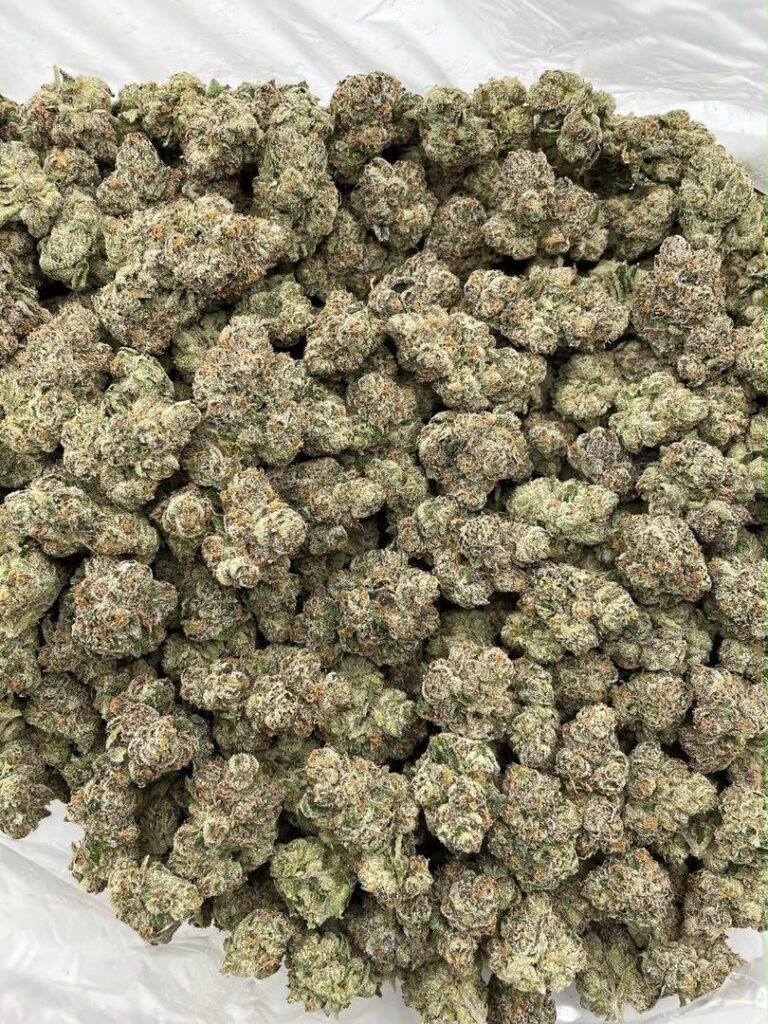
Types of Phenotypes You’ll Actually Run Into 🌱
Not every phenotype difference is dramatic. Some are subtle. Others are night and day. Here are the categories that show up most often.
Structural phenos. Some plants from the same seed pack grow tall and stretchy with thin leaves, more like a sativa. Others grow short, bushy, and dense, more like an indica. Spliff Seeds points out that in early hybrids, some plants take after the more sativa-leaning parent while others favor the indica side, even though they came from the exact same batch of seeds. Spliff Seeds
Terpene phenos. This is the one people notice most, because it’s the one you can smell and taste. One plant from a pack might come out citrusy and bright. Another from the same pack might come out earthy and gassy. Spliff Seeds explains different phenos can even shift the actual experience, like a heavier, narcotic body high with an earthy aftertaste versus a lighter, more citrus-forward buzz. Spliff Seeds
Color phenos. Purple hues, deep greens, orange or amber pistils, these all shift based on phenotype and temperature. Cooler nighttime temps during flowering often bring out more purple in plants that carry the genetics for it, but not every plant in the pack will show it the same way.
Potency phenos. Two plants with identical parents can still test differently for THC and CBD. This is why lab results matter more than the strain name alone. A “high THC” strain name doesn’t guarantee every batch tests the same.
Yield and speed phenos. Some phenotypes finish flowering faster or produce heavier yields than their siblings. This matters more to growers than consumers, but it’s part of why some cuts stick around commercially and others get tossed after one test run.
Candy Gas: The Best Real-World Example of Phenotype Confusion 🍬⛽
Okay, here’s where it gets interesting, and where things get a little messy in a way that actually teaches you everything about phenotypes.
If you search “Candy Gas strain,” you will not find one single agreed-upon answer for what it actually is. You’ll find at least three.
Version one: Kandy Kush crossed with OG #18, bred by Crockett Family Farms. Weedmaps lists this as one of the two most commonly cited origins, describing the result as a balanced hybrid loaded with limonene and caryophyllene, giving off a funky fruit and hazelnut aroma with a creamy diesel flavor when smoked. Weedmaps
Version two: Gelato 41 (sometimes listed as Bacio Gelato) crossed with Runtz, bred by Grounded Genetics. SeedsHereNow describes this cut as having a candy-like fragrance that hints at its Runtz lineage, with fruity and floral scents on top of a subtle diesel undertone inherited from Gelato 41. Seeds Here Now
Version three: A cross involving Zkittlez, Mendo Breath, and Jet Fuel Gelato. One dispensary source describes it as a cross of the sweet, fruity Zkittlez with the robust Mendo Breath and Jet Fuel Gelato lines, producing that same signature candy-meets-fuel identity. High There
So which one is the “real” Candy Gas? Honestly, all of them, and none of them. Herb says it plainly: because the name covers more than one lineage, it’s worth confirming the exact cross before you buy, since a Gelato-and-Runtz cut will lean creamy-sweet while a Kandy Kush and OG cut will lean gassier. Herb
This is exactly what phenotype variation looks like when it plays out at the industry level, not just inside one breeder’s grow tent. When a strain name gets popular, different breeders in different regions start chasing the same flavor profile using different parent genetics. They all land in the same general neighborhood (sweet candy up front, diesel gas on the back end), but the actual plant, the actual phenotype, can be genuinely different from batch to batch and brand to brand.
JointCommerce breaks down why this happens: a smaller number of dominant lineages may eventually take the lead as certain clone-only cuts build a reputation, but for now, regional breeders label a cut Candy Gas whenever it expresses that classic sugar-over-fuel combination. In plain terms, “Candy Gas” is currently more of a flavor category than a single locked-in genetic line. That’s not a knock on the strain. It’s actually a great teaching moment about how phenotypes and strain names work in the real cannabis market. Jointcommerce
What does stay consistent across almost every version of Candy Gas is the terpene backbone. Weedmaps and Herb both point to limonene, caryophyllene, and myrcene as the dominant terpenes driving that fruity, funky, diesel-heavy smell and taste. Limonene brings the citrus brightness and mood lift. Caryophyllene brings the peppery, gassy depth (it’s also the only terpene known to interact with the body’s CB2 receptors, which is a fun fact worth knowing). Myrcene adds the heavier, more sedating body feel. HerbWeedmaps
Effects tend to follow a pattern too, regardless of which lineage you land on. Herb describes it as a euphoric head lift that settles into a warm, relaxing body high, with most users reporting they feel happy, social, and lightly focused before a heavier calm sets in. THC typically lands in the low-to-high 20s across most tested batches, per multiple retail listings. Herb
So if you grab a jar of Candy Gas strain flower and it tastes different from the last jar you bought, you’re not losing your mind. You’re just running into the exact phenomenon this whole article is about. Different phenotype, different breeder, sometimes even a different genetic lineage entirely, all hiding under one popular name.
Why This Actually Matters If You’re Just a Consumer 🛒
I get it, not everyone reading this is growing their own plants. Most people just want to know why the strain they liked last week doesn’t quite hit the same this week.
Here’s the honest answer: strain names are a starting point, not a guarantee. Once you understand phenotypes, you stop treating strain names like a fixed recipe and start treating them more like a general style, similar to ordering “a stout” at a brewery. You know roughly what you’re getting, but the exact beer in your glass depends entirely on who brewed it.
This is also why lab testing matters so much more than the name on the jar. JointCommerce makes a good point here: because a strain like Candy Gas gets used across multiple brands, shopping by actual lab data and terpene percentages matters more than trusting the name alone. A batch that tests high in limonene is going to feel different from a batch that tests high in myrcene, even if both jars say “Candy Gas” on the label. JointCommerce
It also explains why your favorite budtender’s recommendation matters so much. A good budtender knows which specific cultivator’s cut of a strain is the one worth grabbing, because they’ve tried the different phenotypes floating around under that same name.
How to Pick a Good Phenotype at the Dispensary 🏪
You can’t smell through a jar lid at every shop, but there are ways to shop smarter once you understand phenotypes.
Check the cultivator name, not just the strain name. Two different growers running “Candy Gas” genetics can produce noticeably different flower. If you find a cut you love, remember which grower made it.
Look at the terpene percentages on the label, if your state requires that kind of testing. A high total terpene percentage (generally anything above 2-3%) usually signals a more flavorful, more aromatic phenotype.
Ask if there’s a batch or lot number, and ask your budtender if they’ve tried it. Dispensary staff often know which phenotype of a popular strain is currently on the shelf.
Smell it if you can. Nothing beats your own nose. If a shop offers pre-jarred samples or lets you smell through a sniff jar, use it.
Don’t assume identical experiences across brands. If you loved one brand’s version of a strain, that love is really for their specific phenotype and their specific grow, not the strain name in general.
A Home Grower’s Guide to Finding Your Own Keeper Pheno 🌿
If you grow your own, pheno hunting is genuinely one of the most rewarding parts of the hobby. Here’s how to actually do it without getting overwhelmed.
Pop more seeds than you think you need. SeedsHereNow recommends a full pack of at least ten seeds, and twenty or more if you have the space, since more plants means more genetic diversity and better odds of finding something exceptional. That said, you don’t need a warehouse to do this. Seeds Here Now
Small space? No problem. One grower writing on Substack made a point that stuck with me: it’s possible to pheno hunt in a small tent by starting with five seeds or fewer at a time, hunting according to your own space and time instead of trying to run every seed at once. You can hunt through a whole pack over a few grow cycles instead of cramming everything into one run. Substack
Number every plant and keep a journal. Write down height, smell at different growth stages, bud structure, how sticky the trichomes are, and how it smokes once cured. Photos help a ton too, especially once buds start forming.
Take clones before flowering. Desired traits don’t fully show up until flowering starts, but by then it’s often too late to clone that specific plant easily. Take cuttings early so you have a backup of every phenotype in case one turns out to be the winner.
Judge the whole package, not just one trait. A plant that smells incredible but yields poorly, or grows beautifully but tastes flat once cured, isn’t your keeper. Hippos Cannabis put it well: the harder part isn’t finding a phenotype that’s interesting in one moment, it’s finding the one that holds up all the way through, from how it smokes to how it feels once you’re done. Hipposcannabis
Be patient. Sensi Seeds is honest about the timeline: pheno hunting takes careful observation and can take several generations to land on the results you actually want. Don’t rush a decision after one imperfect grow cycle. Sensi Seeds
Dial in your environment once you find a keeper. Remember, genetics only set the potential. Green Avenger Seeds notes that temperature and humidity swings can stress a plant and shift its gene expression, so keeping conditions stable helps the plant express its genetics the way it’s supposed to. Even a great phenotype can underperform in a rough environment. Cannabis Seeds
Keeping Your Keeper: Mother Plants and Clones 🌾
Once you find your ideal phenotype, the real work is protecting it.
That original plant becomes your mother plant. Every future harvest comes from clones of that one plant, not from new seeds. This is important, because growing new seeds from your favorite plant (even if you cross it with itself) will not reliably reproduce the exact same phenotype. Seeds reshuffle genetics. Clones don’t.
Commercial growers keep mother rooms specifically for this reason. A single elite mother plant can produce thousands of genetically identical clones over her lifetime, which is exactly how “clone-only” strains like some of the most famous OG Kush and Gelato cuts became legendary in the first place. The name stays the same for years, but it’s really tracing back to one single plant that someone found, loved, and decided never to let go of.
This is also why some dispensaries advertise “cut” names alongside strain names, like “Gelato #41” or a specific pheno number. That number is telling you exactly which phenotype you’re getting, not just which strain family it came from.
Where Cannabis Genetics Are Headed 🔬
The industry is getting more serious about locking down consistency, and it’s changing how phenotypes get discovered and preserved.
Tissue culture propagation is becoming more common among larger cultivators. It’s a lab-based cloning method that can preserve genetics longer and cleaner than traditional cuttings, cutting down on the pest and disease issues that can wipe out a mother room.
Genetic testing and mapping are also becoming more accessible to breeders, letting them predict certain traits before a plant even finishes flowering. This won’t remove the need for pheno hunting anytime soon, since so much of terpene and flavor expression still depends on environment, but it does help breeders narrow down which seeds are worth the time and space.
Regional breeding programs are also growing. Humboldt Seed Company runs one of the more well-known examples, where they evaluate thousands of plants across Northern California each year, uniting farmers and industry experts to identify standout phenotypes with unique traits. Expect more of this kind of large-scale, community-driven pheno hunting as legal markets keep expanding. Humboldt Seed Company
None of this replaces the basic truth we’ve covered in this whole article though. Genetics set the ceiling. Environment decides how close the plant gets to it. And somewhere in that mix, a human has to actually taste, smell, and judge the result to know if it’s worth keeping.
Frequently Asked Questions ❓
Is a phenotype the same thing as a strain?
No. A strain is the overall genetic lineage, like a family name. A phenotype is one specific individual plant’s expression of that genetic lineage. Multiple phenotypes can exist under one strain name.
Why does the Candy Gas strain taste different depending on where I buy it?
Because “Candy Gas” isn’t tied to one single genetic lineage. Different breeders trace it back to different parent strains, including Kandy Kush x OG #18, Gelato 41 x Runtz, or Zkittlez crossed with Mendo Breath and Jet Fuel Gelato. Each lineage produces its own phenotype, even though they all share that same sweet-candy-meets-diesel-gas identity.
Can you tell a good phenotype just by looking at it?
Not entirely. Bag appeal (color, trichome coverage, bud density) matters, but smell, taste, and how it actually smokes matter more. Some of the best phenotypes don’t look flashy in the jar.
How long does pheno hunting take?
It usually takes multiple grow cycles, often stretching across several months to a couple of years, to properly evaluate a full seed pack and confirm a keeper phenotype is consistent and worth keeping as a mother plant.
Does phenotype affect potency, or just flavor and smell?
Both. Phenotype can shift THC and CBD levels, terpene percentages, and how a strain actually feels when you use it, not just how it tastes or smells.
Final Thoughts 🌿
Once you understand cannabis phenotypes, you can’t really unsee it. Every jar on every shelf is one specific plant’s version of a much bigger genetic story, shaped by a breeder’s choices and whatever environment it was grown in.
That’s why I stopped getting frustrated when a strain I loved tasted different somewhere else. It’s not false advertising. It’s just biology doing what biology does. And honestly, that’s part of what makes cannabis interesting. No two phenotypes tell the exact same story, even when they share the exact same name.
So next time you pick up a jar of Candy Gas strain flower, or any strain really, take a second to actually smell it before you assume you know what you’re getting. You might be holding a completely different phenotype than the one you tried last time. And that’s not a flaw in the system. That’s just the plant doing what it’s always done.
