 Skip to content

Everything those sticky little crystals are actually doing, and what they can tell you before you even take a hit.
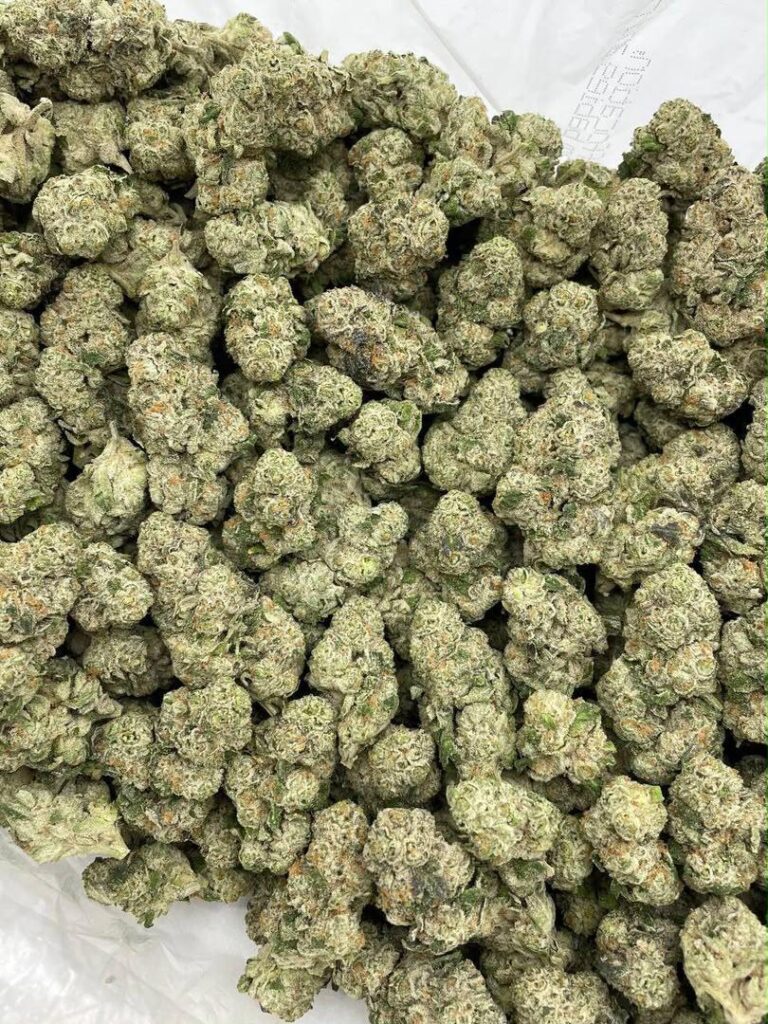
Hold a bud up to the light and tilt it slowly. See that frosty layer catching the glow? Those are trichomes. They’re the reason good weed looks like it got dipped in sugar, and they’re the reason two buds that look almost identical can hit in totally different ways. 🌿
I’ve spent a lot of time squinting at nugs through a jeweler’s loupe, waiting for that exact moment when clear turns cloudy. It sounds like a small detail. It isn’t. That tiny color shift is the difference between flower that’s weak and flat and flower that people specifically ask their budtender for by name.
The first time someone handed me a loupe and told me to check trichome color instead of just counting days on a calendar, it changed how I looked at every bud after that. You start noticing things you never noticed before: which jars actually got harvested at the right time, which ones got rushed, which ones sat around too long and went soft and sedative. Once you know what to look for, you can’t really un-see it.
This cannabis trichomes guide covers what trichomes actually are, the three types that matter, how their color tells you when to harvest (or when to buy), and which tools actually work for checking them at home. We’ll also spend real time on Candy Gas, a strain that’s turned into a solid real-world example of what heavy trichome coverage looks like on an actual dispensary shelf, and what real buyers say about it once they get it home. 🍬⛽
No filler here. Just what trichomes are, why they matter, and how to use that knowledge whether you grow, buy, or just want to know what you’re looking at.
What Is a Trichome, Really? 🔍
The word “trichome” comes from the Greek word for hair. That’s basically what they are: tiny hair-like growths on the surface of the plant. On cannabis, most of them aren’t just hair though. They’re glands. Little factories that make and store resin.
That resin is where THC, CBD, and terpenes actually live. The green leaf and stem underneath barely matter for potency. It’s the resin sitting on top that does almost all the work. So when someone says a bud is “frosty” or “loud,” what they’re really saying is the trichome coverage is heavy.
Trichomes show up all over the plant, on leaves, stems, and even the small sugar leaves poking out of the buds. But the ones that matter most for potency and flavor sit on the flower itself, packed in tight around the calyxes.
The Three Types of Trichomes (Only One Really Matters for Potency)
Not all trichomes are built the same. Cannabis makes three distinct types, and they’re wildly different in size. If you only remember one section from this guide, make it this one, because it explains almost everything else about how weed gets its strength.
| Type | Size | Where You’ll Find It | What It Does |
|---|---|---|---|
| Bulbous | 10 to 30 microns | Spread across the whole plant, even the stems | Smallest type. Barely visible without a strong microscope. Adds a little to the terpene base but not much else. |
| Capitate-sessile | 25 to 100 microns | Leaves and stems, more common than bulbous | A small head sitting almost flat on the surface, with little to no stalk. Makes cannabinoids and terpenes, just in smaller amounts. |
| Capitate-stalked | 50 to 500 microns | Mostly on the flower itself, especially the calyxes | The big one. Looks like a tiny mushroom: a stalk holding up a round resin head. This is where the vast majority of THC and CBD actually get made. |
The size difference matters more than it sounds. Dutch Passion breaks this down well: bulbous trichomes are so small they’re made of just a handful of cells, while capitate-stalked trichomes are big enough to see with the naked eye. That size gap is why capitate-stalked glands hold so much more resin. More cells means more room to make cannabinoids.
Growers who want to push potency will actually manage light intensity to get more capitate-stalked trichome growth. Blimburn Seeds notes that light intensity in the 800 to 1,000 µmol/m²/s range during flower pushes the plant to build more of these larger glands, since that’s the main site of THC accumulation.
If you’re using a magnifier at home and can’t tell what you’re looking at, here’s the shortcut: the mushroom-shaped ones with the visible stalk and round head are the capitate-stalked trichomes. Those are the ones you’re actually checking for color when you’re timing a harvest.
Why Does the Plant Even Bother Making These?
Trichomes didn’t evolve to get anyone high. That part is basically a side effect. Their real job is defense. 🛡️
Cannabis is a plant, and plants can’t run from threats. So they build chemical armor instead. Trichomes coat the flower in a sticky, bitter, strong-smelling layer that does a few jobs at once:
- They block harmful UV rays from damaging the plant’s reproductive tissue.
- They physically trap and slow down small pests like mites and thrips.
- Their bitter taste and heavy smell make the plant less appealing to animals that might otherwise eat it.
- The resin adds a layer of protection against certain fungal issues and rough weather.
What’s interesting is that the plant ramps up trichome production right at the point it needs protection most, during flowering, when it’s putting everything into producing seeds. That’s also exactly the stage where the compounds we actually want, THC, CBD, and the aromatic terpenes, hit their peak. The plant wasn’t building a drug factory. It was building a shield, and we just happen to like what the shield is made of.
A Quick History: Why “Frosty” Wasn’t Always the Standard
If you look at old photos of landrace cannabis, the strains that grew wild in places like Afghanistan, Thailand, or Colombia before decades of selective breeding, the buds don’t look anything like what’s on dispensary shelves today. They’re leafier, looser, and noticeably less coated in resin.
That’s not because older cannabis was somehow inferior. It’s because nobody had spent generations breeding it specifically for trichome output yet. A 2025 study out of Southern Cross University put actual numbers behind this. Researchers compared modern high-potency cultivars against landrace strains and found the modern plants had larger trichomes with more secretory cells packed inside each one, not just a higher trichome count overall. The paper, published in Plant and Cell Physiology, argues that decades of breeders chasing potency ended up, whether they realized it or not, selecting for bigger, more productive resin glands at the cellular level.
That’s a genuinely useful thing to know. It means “frosty” genetics aren’t some fixed trait cannabis has always had. They’re the result of thousands of small breeding decisions stacked on top of each other, generation after generation, each one nudging the plant toward heavier resin production. Strains like Candy Gas, which we’ll get into later in this guide, exist because that decades-long selection process is still going, just aimed now at flavor combinations instead of raw potency alone.
What’s Actually Inside a Trichome
Pop open a mature capitate-stalked trichome (you can’t really do this without a microscope, but bear with me) and inside that resin head you’d find a mix of cannabinoids and terpenes.
The cannabinoids are the big names you already know: THC, CBD, CBG, CBN. These start life as acidic compounds like THCA, which only converts into the THC that actually gets you high once it’s heated, through smoking, vaping, or baking. That’s why raw cannabis doesn’t get you stoned no matter how much you eat.
This conversion process is called decarboxylation, and it’s worth understanding because it explains a few things people find confusing. A lab report showing “20% THCA and 0.5% THC” isn’t describing weak flower. Almost all of that THCA converts to active THC the moment it’s heated, so total potency is usually calculated by adding THCA and THC together with a conversion formula, not just reading the THC line by itself. That’s also why fresh, unheated cannabis extract or juice, which some people use for wellness purposes, doesn’t produce the same psychoactive effect that smoking or vaping the same plant would.
The terpenes are the aroma and flavor side of things, and they’re worth knowing individually because you’ll see the same handful of names over and over on lab labels:
- Limonene smells like citrus peel. It’s associated with a brighter, more uplifted mood and shows up heavily in fruity, “candy” strains.
- Myrcene brings a heavy, almost musky, earthy base note. It’s the most common terpene in cannabis overall and tends to deepen body relaxation.
- Caryophyllene is peppery and spicy. It’s also found in black pepper and is one of the only terpenes known to interact directly with the body’s cannabinoid receptors.
- Linalool is floral, closer to lavender, and shows up in strains people describe as calming.
- Pinene smells like pine needles, straightforward and sharp, and shows up often in older, classic strains.
- Humulene is earthy and a little woody, often riding alongside caryophyllene in gas-forward strains.
Every strain’s smell comes down to which of these show up and in what ratio, and all of them are made and stored in the same trichome heads as the cannabinoids. That’s part of why the smell test at a dispensary actually tells you something real. You’re not just smelling perfume. You’re smelling the same resin that’s carrying the THC.
Researchers and consumers both talk about the “entourage effect,” the idea that cannabinoids and terpenes work better together than any single compound would on its own. The science on this is still developing, but it’s part of why strains with the same THC percentage can feel completely different depending on their terpene makeup.
🧪 Quick gut check: if someone tells you a strain is good purely because of a high THC number, ask about the terpene profile too. Two strains at 22% THC with different terpenes can produce a noticeably different experience.
New Trichome Science From 2025 and 2026 🧬
Trichome research has actually moved forward quite a bit in the last year or two, and some of it changes how we should think about “frosty” weed.
A 2025 study out of Southern Cross University compared modern high-THC cultivars against old-school landrace strains using fluorescent microscopy and protein-level analysis. The results were pretty clear: modern strains don’t just have more trichomes, they have bigger trichomes with more secretory cells inside each one. The researchers pointed to specific genes tied to cannabinoid production, including one called olivetolic acid cyclase, that show up more active in these newer, more potent cultivars. Decades of breeding for potency basically selected for plants that build larger resin factories, not just more of them.
A separate 2025 review looked at a problem that’s been quietly messing with lab testing for years: where on the plant you actually sample trichomes from changes your results. That research found that bracts, the small leaf-like structures wrapped tightly around the seeds and flowers, give the most consistent trichome density readings compared to sugar leaves or the main cola. If you’ve ever wondered why two labs can test the same batch and get different THC numbers, inconsistent sampling location is a real part of the answer.
A third paper, published in early 2026 in Frontiers in Plant Science, dug into something even more specific: how the plant’s own genetic switches control cannabinoid output at the DNA level. Researchers profiled two hemp cultivars with different trichome densities and found that chromatin accessibility, essentially how “open” or “closed” certain sections of DNA are, plays a direct role in regulating flavonoid production and an indirect role in cannabinoid output. In plain terms, the plant isn’t just deciding how many trichomes to grow. It’s actively switching genes on and off inside those trichomes to control chemical output, in ways researchers are only just starting to map out.
None of this changes what you do at home with a loupe. But it’s worth knowing that the “frost” on your bud isn’t a fixed trait passed down unchanged from generation to generation. It’s something breeders have been actively shaping for decades, cell by cell, and something scientists are still actively figuring out at the genetic level.
The Trichome Color Guide: Clear, Cloudy, Amber 🎨
This is the part that actually changes how your weed feels, whether you’re growing it or buying it off a shelf. Trichome color shifts through three stages as the plant matures, and each stage produces a noticeably different effect.
| Color | What’s Happening | Typical Effect |
|---|---|---|
| Clear | Trichomes are still translucent, almost glass-like. THC hasn’t peaked yet. | Weak, thin high if harvested here. Mostly just a sign the plant needs more time. |
| Cloudy / Milky | Trichome heads turn opaque white. THC and terpene levels are at their highest point. | Sharper, more energetic, clear-headed high. This is peak potency. |
| Amber | Trichomes oxidize and turn golden or brownish as THC breaks down into CBN. | More sedating, body-heavy, mellow. Less of a head rush, more of a couch-lock feeling. |
Most growers aim for a mix rather than one pure stage. GrowerIQ’s harvest guide puts the sweet spot most cultivators chase at 70 to 80 percent cloudy trichomes with the rest starting to turn amber. That combination gives you strong potency without tipping fully into sedation.
If you want a strain that feels more like a wake-and-bake pick-me-up, harvest earlier, while trichomes are still mostly cloudy with barely any amber. If you’re after something that helps you sleep, wait longer. Some growers cultivating heavy indicas for nighttime use will push all the way to 30 or 40 percent amber, according to Paramount Seed Farms’ harvest breakdown, though that trades away some of the sharper potency for a heavier, more sedative feel. For flower headed toward concentrate production, some cultivators aim even earlier, harvesting at 85 to 90 percent cloudy with only a small amount of amber showing, according to Oregon Hemp Flower’s breakdown of the three stages, since that ratio protects the terpene profile that concentrates depend on.
Why Pistil Color Lies to You
A lot of new growers watch the little orange or brown hairs (pistils) instead of the trichomes, and that’s a mistake. Pistil color depends heavily on heat, airflow, and humidity, not just plant maturity. You can have a plant with 70 percent brown pistils while the trichomes underneath are still completely clear and nowhere near ready. Trichomes are the more reliable signal, full stop.
Indica, Sativa, and Autoflower Differences
Sativa-leaning strains usually get harvested a bit earlier, while trichomes are mostly cloudy, to keep that clear-headed, energetic quality intact. Indica-leaning strains often go longer, picking up more amber for a heavier, more relaxing result. Autoflowering strains are a bit of an outlier here. They seem to tolerate a later harvest with more amber trichomes without losing as much flavor, likely because they naturally produce a different ratio of terpenes that hold up better under extra time and heat.
How Drying and Curing Change Trichomes
Harvest timing gets most of the attention, but what happens after the chop matters almost as much. Trichomes keep changing chemically even after the plant is cut down, and how you dry and cure the flower has a real effect on how much of that resin survives intact.
During drying, the goal is slow and steady. Buds dried too fast, under high heat or low humidity, lose terpenes quickly since a lot of them are volatile and evaporate off easily. Buds dried too slow in overly humid conditions risk mold, which can wreck an entire batch regardless of how good the trichome coverage was going in. Most experienced growers dry over 7 to 14 days in a space kept around 60°F to 70°F with humidity in the 55 to 65 percent range, then move to curing in sealed jars for at least two to four weeks.
Curing is where a lot of the rougher, grassier smell mellows out into the fuller flavor you get from a properly finished product. It’s also where trichomes are most vulnerable to damage from over-handling. Burping jars too aggressively, or squeezing buds to check moisture, knocks resin heads loose the same way rough handling does at a dispensary counter. Slow and gentle wins on both ends of the process.
How to Actually Look at Trichomes 🔬
You can’t judge trichome color with your bare eyes. Even good ones look basically clear from a normal viewing distance. You need magnification, and thankfully none of the good options are expensive.
Jeweler’s Loupe
This is the classic, and honestly still the best starting point for most people. A 30x to 60x loupe costs under $15 and shows trichome color clearly enough to tell clear from cloudy from amber. Grow Weed Easy’s comparison of magnifiers found the jeweler’s loupe easier to use consistently than bulkier pocket microscopes, mostly because the field of view is wider and it doesn’t take much practice.
USB or Digital Microscope
These plug into a phone or computer and can run anywhere from 50x up to 1000x magnification. The big upside is you get a screen instead of squinting through a tiny eyepiece, and you can snap photos to track changes day by day. The tradeoff is depth of field gets shorter as magnification climbs, so higher zoom actually makes it harder to keep the whole trichome head in focus at once.
Phone Macro Lens
A cheap clip-on macro lens (usually $15 to $30) turns your phone camera into a decent trichome viewer. It won’t give you the same magnification as a loupe or USB scope, but it lets you photograph and zoom digitally, which some people find easier than holding a loupe steady against a moving bud.
💡 Practical tip: don’t just check one spot. Look at trichomes on a few different buds from different parts of the plant, upper cola and lower branches both. Trichome maturity isn’t perfectly even across a whole plant, and one spot-check can be misleading.
Common Myths About Trichomes
A few ideas about trichomes get repeated so often they start sounding like fact. Worth clearing a few up.
Myth: Purple buds are always more potent
Purple coloring in cannabis comes from anthocyanins, pigments that show up more under cold temperatures late in flower. That’s a completely separate process from trichome development. A purple bud can be weak, and a plain green one can be loaded with resin. Color of the leaf tissue and color of the trichomes are two different stories.
Myth: Clear trichomes mean the plant is unhealthy
Clear just means early. It’s a normal stage every plant passes through, not a sign of a problem. The issue only shows up if a grower harvests while trichomes are still mostly clear, which just means picking too soon.
Myth: You can judge potency by smell alone
Smell tells you about the terpene profile, not the cannabinoid content. A strain can smell incredibly loud and still test relatively low in THC, and a milder-smelling strain can test high. Terpenes and cannabinoids are both stored in the same trichomes, but they’re produced somewhat independently, so a strong nose doesn’t automatically guarantee a strong high.
Myth: More trichomes always means a better high
Coverage matters, but maturity matters just as much. A plant absolutely coated in trichomes that were harvested too early will still underperform a less frosty plant harvested at exactly the right moment. Quantity and timing work together, not one instead of the other.
Trichomes Are a Buyer’s Cheat Code Too 🛍️
You don’t need to be growing anything to care about this. If you’re buying flower at a dispensary, trichome coverage is one of the fastest quality checks available, right there before you even open the jar.
Here’s what to actually look for:
- Even, heavy frost. Buds that look dusty white all over, not just in patches, usually mean the plant was grown and handled well.
- Trichomes still standing up. If they look flattened or worn down, the bud has probably been over-handled or bagged and rebagged a lot.
- Stickiness. A jar that leaves resin on your fingers is a decent sign the trichome heads are still intact and full.
- Color under a loupe if you can get one out. Mostly cloudy heads with a bit of amber usually means it was harvested at peak potency, not too early.
None of this replaces an actual lab test. Total THC, terpene percentage, and a clean pesticide screen still matter more than visuals alone. But trichome appearance is a fast first filter, and it’s one that works in your favor before you’ve spent a dollar.
A trick worth knowing: ask your budtender if you can look at a bud through a loupe before buying, if the shop has one at the counter. Most dispensaries that care about repeat customers are happy to show you. If a shop gets weird about letting you check a $50 eighth up close, that’s information too.
Meet Candy Gas: A Strain Built on Trichome Coverage 🍬⛽
Here’s where all of this gets practical. Candy Gas (sometimes listed as Gas Candy, depending on the menu) is a hybrid that’s become a genuinely good real-world example of what heavy, well-timed trichome coverage does to a strain’s appeal.
Ask three different sources where Candy Gas actually comes from and you’ll get three different answers, and that’s not a knock on any of them. It’s a naming issue that’s common in cannabis. Weedmaps notes the dispute directly: some sources trace it to a cross of Kandy Kush and OG #18, bred by Crockett Family Farms, which is also the version Leafly lists at around 20% THC. Other sources point to a Bacio Gelato and Runtz cross from Grounded Genetics, or a Gelato 41 and Runtz cross, which is the lineage SeedsHereNow credits for the strain’s dense, resin-heavy bud structure.
The honest answer is that “Candy Gas” works more like a style label than one fixed genetic line at this point. Joint Commerce’s breakdown of the strain describes it as a dessert-leaning parent crossed into a diesel or gas-leaning parent, which is really a flavor goal more than a single breeding chart. Different breeders are chasing the same sweet-meets-fuel combination through different genetic paths.
Whichever cross you land on, the results tend to share a few things:
- THC: Most standard cuts test in the high teens to low 20s, though some phenotypes, like Purple Candy Gas from Cream of the Crop Gardens, have tested as high as the low 30s.
- Terpenes: Limonene and caryophyllene show up consistently across most Candy Gas cuts, which explains the citrus-meets-pepper backbone under the candy sweetness. Myrcene often shows up too, adding body to the high.
- Structure: Dense, sticky buds with a thick coat of resin, which is exactly the capitate-stalked trichome coverage this whole guide has been talking about.
- Balance: Most descriptions land it close to a 50/50 hybrid, though some cuts lean indica-dominant, closer to a 60/40 split.
Price-wise, Herb’s pricing breakdown puts Candy Gas in the upper-mid to premium tier, which tracks with how loud and photogenic the bag appeal tends to be. Leafly’s listing for the Crockett Family Farms cut puts average pricing around $10 to $15 per gram, though that shifts a lot by region and dispensary.
Growing Notes, If You’re Curious
For anyone growing their own, a few tips show up repeatedly across grow guides for this cut. One grower’s guide recommends flushing 10 to 14 days before harvest to protect the candy notes, going easy on nitrogen during mid-flower, and pushing phosphorus and potassium instead for denser, more aromatic buds. On harvest timing specifically, the same guide points to waiting for at least 70% cloudy trichomes with some amber mixed in, which lines up with the general harvest chart covered earlier in this guide.
Given the hybrid genetics behind most Candy Gas cuts, expect a moderate flowering time, typically in the 8 to 9 week range, with decent yields for a home grow when kept in the ideal 800 to 1,000 µmol/m²/s light range mentioned earlier for maximizing capitate-stalked trichome development. Because the aroma is such a big part of the appeal, good airflow and odor control matter more here than with milder-smelling strains. Growers chasing the frostiest possible finish also tend to introduce a short cold snap in the final week or two before harvest, since cooler nighttime temperatures during late flower can boost resin production and deepen coloring in some phenotypes.
Candy Gas didn’t show up in a vacuum. It’s part of a broader shift in what cannabis consumers have been asking for over the last several years. Beard Bros Pharms traces this shift back to two separate breeding lanes that eventually merged: candy-forward genetics like Zkittlez and Runtz that reshaped what “fruity” could smell like in cannabis, and fuel-forward lines descended from OG Kush and the Chem family that defined potency and pungency during the earlier medical cannabis era. Candy Gas sits right at the intersection of both, which is a big part of why the name keeps showing up under so many different breeder programs. Everyone’s chasing the same combination, just from slightly different genetic starting points.
How Candy Gas Stacks Up Against Similar Strains
Since Candy Gas sits inside a bigger “sweet meets gas” family of strains, it helps to see where it lands next to its closest relatives.
| Strain | THC Range | Dominant Terpenes | Where It Fits |
|---|---|---|---|
| Candy Gas | High teens to low 20s (some cuts higher) | Limonene, caryophyllene, myrcene | Balanced hybrid, sweet upfront, gassy on the exhale |
| Runtz | Low to mid 20s | Limonene, caryophyllene | One parent lineage of some Candy Gas cuts, leans sweeter and fruitier |
| Gelato 41 | Low to mid 20s | Caryophyllene, limonene, humulene | Contributes the creamy, dessert-like backbone in the Grounded Genetics cut |
| Kandy Kush | High teens to low 20s | Limonene, myrcene, caryophyllene | Parent in the Crockett Family Farms lineage, brings lemon-lime brightness |
The takeaway here isn’t that one of these is objectively better. It’s that Candy Gas sits at a genuine crossroads of two well-established flavor families, and depending on which cut you get, it’ll lean closer to one side or the other.
What Real Users Say About Candy Gas
Strain descriptions from breeders are useful, but actual user reviews tell you more about what it’s like to actually smoke the thing. Here’s a rundown of what keeps coming up across Leafly’s reviewer comments and other consumer write-ups.
Smell is the first thing almost everyone mentions. Reviewers describe cracking the jar and getting hit immediately with a sweet candy smell layered over a heavy gassy backend, sometimes compared to a jolly rancher or sour candy apple, with one describing the taste as closer to pixie stix or the candy dip that comes with Fun Dip.Paraphrased from reader reviews, Leafly
On effects, the pattern is pretty consistent: a quick head change up front that settles into body relaxation without fully knocking people out. Multiple reviewers describe it as a good in-between, not so sedating you’re stuck on the couch, not so stimulating it triggers anxiety for people who are sensitive to sativas. One reviewer rated it 4 out of 5 stars and specifically called it a strain they’d keep coming back to for both day and night use.
Bud appearance draws consistent praise too. Reviewers describe olive-green buds with amber hairs and a light purple tint underneath, dense and sticky, with what one reviewer called “some really nice color throughout,” referring to the trichome coverage itself.
On the more personal side, SeedsHereNow’s review roundup includes users describing it as useful for taking the edge off chronic pain without heavy sedation, and others noting it helped with anxiety while still leaving them functional enough to get through their day. Worth saying clearly: these are individual reports, not medical claims, and cannabis affects everyone differently.
Purple Candy Gas, a specific cut from Cream of the Crop Gardens bred from Sunset Sherb and Tina, gets described a little differently. That version leans indica-dominant, with reviewers and lab listings pointing to a creamier, nuttier profile alongside the usual sweet-gas combination, and total THC figures on some batches testing above 30%. It’s a good reminder that “Candy Gas” as a name covers a real range of experiences depending on the specific cut and grower behind it, not one single fixed product.
One theme worth flagging for buyers: since Candy Gas spans multiple lineages and breeders, quality and flavor vary a lot batch to batch. Herb’s guide makes a fair point here: the gassy potency almost always shows up regardless of which cross you get, but the candy sweetness and bud quality depend heavily on the specific grower. Checking lab data and terpene percentages before buying is worth the extra minute, especially with a name this widely used.
Trichomes, Kief, and Hash: Where Extraction Comes In
Since capitate-stalked trichomes hold almost all the resin, they’re also the entire point of most extraction methods. Kief is just those trichome heads, knocked loose and collected, usually through a grinder with a screen or a set of dry sift screens. Ice water hash works on the same idea but uses cold water and agitation to snap the brittle trichome heads off the plant material, then filters them through mesh bags by size.
Size actually matters a lot here. Humboldt Seed Company’s breakdown of hash grading explains that micron screen size determines which trichome heads get captured, and that’s a big part of why bubble hash gets rated using a star system based on purity and melt quality. Full-melt hash, the highest grade, comes almost entirely from clean, intact capitate-stalked heads with almost no plant matter mixed in.
This is also why heavily frosted strains like Candy Gas tend to get attention from extractors, not just flower buyers. More trichome coverage per gram of biomass means more resin yield per pound when it’s time to process.
Trichomes Across Flower, Pre-Rolls, and Concentrates
The same trichomes end up in different products depending on how the flower gets processed, and knowing that helps explain why some formats hit differently than others.
- Whole flower keeps trichomes mostly intact and attached to the bud. This is the most “unprocessed” version of what the plant made, terpenes and cannabinoids together, in whatever ratio the plant naturally produced.
- Pre-rolls are ground flower, and grinding knocks some trichome heads loose no matter how careful the process is. Good pre-roll brands account for this and either use kief-dusted tips or add extra trim to make up for the loss. Cheaper pre-rolls sometimes just accept the lower potency that comes from ground, exposed material sitting around losing terpenes before it’s smoked.
- Kief and dry sift are separated trichome heads, nothing else. This is why a kief-dusted joint or bowl hits noticeably harder than the flower alone.
- Rosin and hash take that separation further, using heat, pressure, or ice water to pull the resin out cleanly, leaving plant matter behind entirely. This is about as close to pure trichome content as you can get without full chemical extraction.
Heavily frosted strains like Candy Gas tend to perform well across all of these formats, since there’s simply more raw resin to work with per gram of flower going in.
Live resin and live rosin work a little differently and are worth mentioning since they’ve become such a big part of the concentrate market. Instead of drying and curing the plant first, processors freeze the flower immediately after harvest, then extract from that fresh-frozen material. Freezing before drying preserves a wider range of volatile terpenes that would otherwise evaporate off during a standard multi-week dry and cure. That’s why live resin and live rosin tend to smell and taste closer to the living plant than flower-derived extracts, at some cost in total yield since the material is heavier with retained moisture.
Trichome Mistakes That Ruin Good Weed
Trichomes are fragile. The same brittleness that makes them easy to knock off for hash also makes them easy to destroy by accident. A few common mistakes:
- Over-handling buds. Every time you squeeze, rebag, or move flower around, you knock trichome heads loose. That resin ends up as dust in the bottom of the bag instead of on the bud where it does you any good.
- Bad storage. Heat and light break down cannabinoids over time, and dry conditions make trichome heads brittle enough to snap off during normal handling. A cool, dark, airtight container keeps trichomes intact far longer than a plastic bag on a sunny shelf.
- Grinding too aggressively. A cheap grinder with sharp edges can shred trichomes instead of just breaking up the flower. A gentler grind, or breaking buds up by hand, preserves more resin.
- Harvesting on a calendar instead of watching the plant. Growers who harvest at a fixed day count instead of checking trichome color under magnification often end up with weaker or overly sedating flower purely by accident.
- Skipping the loupe entirely. This one’s simple. If you’re growing and never actually check trichome color up close, you’re guessing.
- Storing flower next to strong smells. Terpenes are volatile, and so is basically everything else with a smell. Cannabis stored near coffee, spices, or anything scented can pick up (and lose) aroma compounds through the container.
- Buying based on THC percentage alone. A high number on a label doesn’t guarantee good trichome quality or a well-timed harvest. Some sellers also round up or misreport testing results, so a strain with a lower listed percentage but heavier, well-preserved trichome coverage can easily out-perform one with a flashier number.
Do Trichomes Lose Potency in Storage?
Yes, and faster than most people expect. THC itself degrades over time, slowly converting into CBN even after the flower is harvested, dried, and jarred. Heat and light speed this up considerably. A jar left on a sunny windowsill will lose potency noticeably faster than the same jar kept in a cool, dark cabinet.
Terpenes are even more fragile than cannabinoids. They’re volatile compounds, which is a fancy way of saying they evaporate easily, especially at room temperature or warmer. That’s why flower that smelled incredible fresh out of the jar at the dispensary can smell noticeably flatter a month later if it wasn’t stored well. It’s not your imagination. The trichomes are still there, physically, but some of what was inside them has simply evaporated off.
A few things actually help: airtight glass containers over plastic bags, a cool and dark storage spot, and humidity control in the 58 to 62 percent range using small packs made for that purpose. None of this stops the clock entirely. Cannabis is a plant product, not a synthetic one, and it changes over time no matter what you do. But good storage buys you months of quality instead of weeks.
Reading Lab Reports Alongside What You See
Lab reports and visual trichome checks tell you different pieces of the same story, and the smartest buyers use both together instead of picking one.
A Certificate of Analysis, the lab document dispensaries are usually required to have on hand, breaks down total THC, total CBD, individual cannabinoid percentages, and often a full terpene panel. This is the closest thing to ground truth you’ll get, since it’s based on actual chemical testing rather than appearance. But labs test a small sample from a batch, and as the 2025 trichome density research mentioned earlier in this guide points out, results can shift depending on exactly which part of the plant got sampled. A number on a label is a strong estimate, not an absolute guarantee for every single bud in the jar.
That’s where a quick trichome check still earns its place. If the lab report says 24% THC but the buds in front of you look sparse, dull, and thin on resin, something doesn’t add up, whether that’s an old test, a mislabeled batch, or flower that’s degraded since testing. The two checks back each other up. Neither one replaces the other.
Cannabis Trichomes Guide: Frequently Asked Questions
What color should trichomes be before harvest?
Most growers aim for mostly cloudy (70 to 80 percent) with some amber mixed in for a balanced effect. Fully clear means it’s too early. Mostly amber means it’s past peak potency and leaning sedative.
Do more trichomes mean more THC?
Generally yes, since capitate-stalked trichomes are where THC actually gets made and stored. But density alone doesn’t tell you everything. Trichome maturity (color) and the specific genetics of the strain both matter just as much as raw coverage.
Can I check trichomes with just my phone camera?
A basic phone camera without a macro lens won’t get you close enough. A clip-on macro lens ($15 to $30) or a USB digital microscope will work. A jeweler’s loupe is the cheapest reliable option and still what a lot of experienced growers reach for first.
Is Candy Gas an indica or a sativa?
Most descriptions list it as a balanced hybrid, close to 50/50, though some cuts (like Purple Candy Gas) lean more indica-dominant. Because the name covers more than one genetic lineage, this can shift depending on which cut you actually get.
How strong is Candy Gas?
Most standard cuts test in the high teens to low 20s percent THC. Some specific phenotypes have tested significantly higher, so checking the actual lab results on your specific batch is worth doing rather than assuming based on the strain name alone.
Why do trichomes turn amber?
Amber color comes from oxidation. As THC ages past its peak, it slowly breaks down into CBN, a cannabinoid associated with more sedating, body-heavy effects. It’s a natural aging process, not a sign of poor growing on its own.
Do trichomes grow back if you touch them?
No. Once a trichome head is knocked off or damaged, it’s gone for good on that piece of flower. That’s why minimizing handling matters so much for keeping bud potency and appearance intact.
Does hemp or CBD flower have trichomes too?
Yes. Hemp and CBD-dominant flower grow the exact same three trichome types. The main difference is the cannabinoid ratio inside the resin, not the trichome structure itself.
What is Candy Gas’s actual genetic lineage?
Sources disagree. Some trace it to Kandy Kush crossed with OG #18 from Crockett Family Farms. Others credit a Bacio Gelato or Gelato 41 cross with Runtz from Grounded Genetics. Because multiple breeders produce cuts under this name, the exact lineage depends on which specific batch you’re looking at.
Why do my trichomes look different under different lights?
Lighting color temperature can throw off how trichomes appear, especially under warm indoor bulbs or colored grow lights. For an accurate color read, check trichomes under neutral white light, ideally daylight or a daylight-balanced LED, rather than under a grow light still running.
Is it normal for trichome coverage to vary across one plant?
Yes, and it’s expected. Top colas that get the most direct light usually develop denser, more mature trichome coverage first. Lower branches often lag a few days to a week behind. That’s part of why checking multiple spots on a plant, not just the main cola, gives a more accurate harvest read.
How long does properly stored flower keep its trichomes intact?
In a cool, dark, airtight container with humidity control, well-cured flower can hold most of its potency and flavor for 6 to 12 months. Terpenes fade the fastest, usually noticeable within the first few months, while cannabinoid content holds up a bit longer before meaningfully dropping off.
Can you rehydrate weed that’s already lost trichome quality?
Adding moisture back with a humidity pack can make overly dry buds easier to handle and smoke, but it won’t restore trichome heads that have already broken off or terpenes that have already evaporated. Rehydration fixes texture, not lost resin.
What’s the difference between live resin and regular flower-derived concentrate?
Live resin is made from flower that was frozen right after harvest instead of dried and cured first. That preserves more of the original terpene profile, since freezing slows the evaporation that normally happens during a standard dry and cure. Regular concentrates made from cured flower tend to have a slightly different, often mellower, flavor as a result.
What Checking Trichomes Actually Teaches You
Here’s the thing nobody tells you when you first pick up a loupe. It’s not really about the color chart. Once you start actually looking, closely, at bud after bud, you start noticing patterns that no amount of reading ever taught you.
You start noticing that the “loudest” smelling jar on the shelf isn’t always the frostiest one under magnification. You start noticing that two jars of the same strain from two different harvests can look completely different up close, one clearly rushed, one clearly patient. You start noticing that the buds that feel a little sticky and a little heavier for their size are almost always the ones with the best trichome coverage, even before you get a loupe anywhere near them.
None of that comes from memorizing a chart. It comes from actually looking, over and over, until the pattern becomes obvious without even trying. That’s really what this whole guide is pointing toward. Not a set of rules to follow blindly, but a habit of paying attention to what the plant is actually showing you.
The Bottom Line
Trichomes look like a small detail, but they’re doing almost all the real work, potency, flavor, and the defense system the plant actually built them for in the first place. Once you know what you’re looking at, whether that’s clear versus cloudy versus amber, or just spotting heavy, undamaged coverage on a dispensary shelf, you’re making decisions based on something real instead of guessing.
Candy Gas is a solid example of why this matters. Its appeal isn’t really about one fixed genetic line, since even the breeders disagree on that. It’s about heavy, well-timed trichome coverage delivering the sweet-and-gas combination people keep coming back for. Whether you’re growing your own or picking flower off a shelf, the same rule applies: check the frost, check the color, and trust what the plant is actually showing you over what the label says. 🔬🍬This article is for general, informational purposes and reflects publicly available strain data, grower resources, and consumer reviews at the time of writing. It is not medical advice. Cannabis laws vary by state and country, so check your local regulations before growing, buying, or using cannabis products. Effects and experiences described from user reviews are individual reports and will vary from person to person.
