 Skip to content

I used to pick weed the same way most people do. I’d walk up to a dispensary counter, ask what’s a good indica, and trust whatever the budtender handed me. For years, that felt like a solid system. Indica means relaxed. Sativa means energized. Hybrid means somewhere in the middle. Simple, right?
Then I started actually reading lab reports. And I mean really reading them, not just glancing at the THC percentage. What I found broke my whole mental model. Two strains labeled “sativa” from two different brands had almost opposite terpene profiles. One indica hit like a sedative. Another indica from the same shelf felt more like a cup of coffee. That’s when I realized the labels I’d been trusting for years weren’t really telling me what I thought they were telling me. 🤯
The weird part is once you notice this, you can’t unsee it. I started asking friends about their own experiences, and almost everyone had a story that didn’t fit the script. A friend who swore by indicas for sleep once grabbed a jar that left her wired until 2am. Another friend who avoids sativas because they make him anxious ended up loving a strain that was labeled sativa on the shelf tag, simply because nobody had told him what it actually was until after he’d already enjoyed it. These aren’t rare glitches in the system. They’re what happens constantly once you pay close enough attention.
So this guide is my attempt to explain indica vs sativa vs hybrid the way it actually works today, not the way it got explained to us a decade ago. I pulled from current research, cannabis science writers, and real user reviews to put this together, and I’ll link everything so you can check the sources yourself.
Where These Labels Even Came From 📜
Before we get into what’s true today, it helps to know where indica and sativa came from in the first place, because that history explains a lot about why the system is shakier than it looks.
The term “sativa” goes all the way back to 1753, when Carl Linnaeus classified cannabis plants under Cannabis sativa in his botanical system. Sativa comes from the Latin word for “cultivated,” and at the time, it just described one type of plant grown mainly for fiber and seeds, according to a breakdown from Releaf UK.
Indica showed up later. In 1785, French biologist Jean-Baptiste Lamarck proposed splitting cannabis into two separate species, adding Cannabis indica to describe a different-looking plant found in India, shorter and bushier than the tall sativa plants Linnaeus had already classified. A third category, Cannabis ruderalis, got added even later to describe a wild, hardy variety that flowers based on age instead of light exposure, a trait now used in a lot of modern autoflowering hybrids, as explained in Herb’s 2026 breakdown.
Here’s the important part. These original classifications were about how the plants looked and where they grew. Tall and narrow-leafed versus short and broad-leafed. Equatorial regions versus mountainous regions like the Hindu Kush. Nobody was talking about how the plant made you feel. That part got added decades later by the cannabis industry itself, and that’s really where things started to go sideways. 🌱
How “Indica Means Relaxing” Became The Rule 🛋️
At some point, probably sometime in the 20th century as cannabis culture grew, people started using indica and sativa to describe effects instead of just plant shape. Uplifting and energizing got labeled sativa. Sedating and body-heavy got labeled indica. It was a tidy story, and it made shopping easy. You didn’t need to understand chemistry, you just needed to remember two words.
The problem, as Herb’s 2026 piece points out, is that this shift created real confusion. Narrow-leaf drug varieties, which are technically classified as indica in the botanical sense, were often mislabeled as “sativa” on dispensary shelves because of their energetic effects. Broad-leaf varieties got labeled “indica” based on their relaxing reputation, whether or not the actual plant matched Lamarck’s original definition. Basically, the industry started using the words to mean the opposite of what the botanists meant by them, and most people never noticed the switch.
By the time cannabis became legal in more places and testing labs started publishing real data, this mismatch became impossible to ignore.
What Indica, Sativa, And Hybrid Supposedly Mean 🌾
Let’s lay out the traditional framework clearly, since you’ll still see it on every dispensary menu and it’s worth understanding even if it’s not the full picture.
Sativa strains are traditionally described as tall plants with narrow leaves, originally grown near the equator in places like Mexico, Colombia, and Thailand. The traditional effect profile is uplifting, energizing, and cerebral, often called a “daytime” cannabis, according to Ignited Culture’s 2026 guide.
Indica strains are traditionally shorter, bushier plants with broad leaves, originating from mountainous regions like the Hindu Kush. The traditional effect profile is relaxing, sedating, and body-centered, often called a “nighttime” cannabis, per the same source.
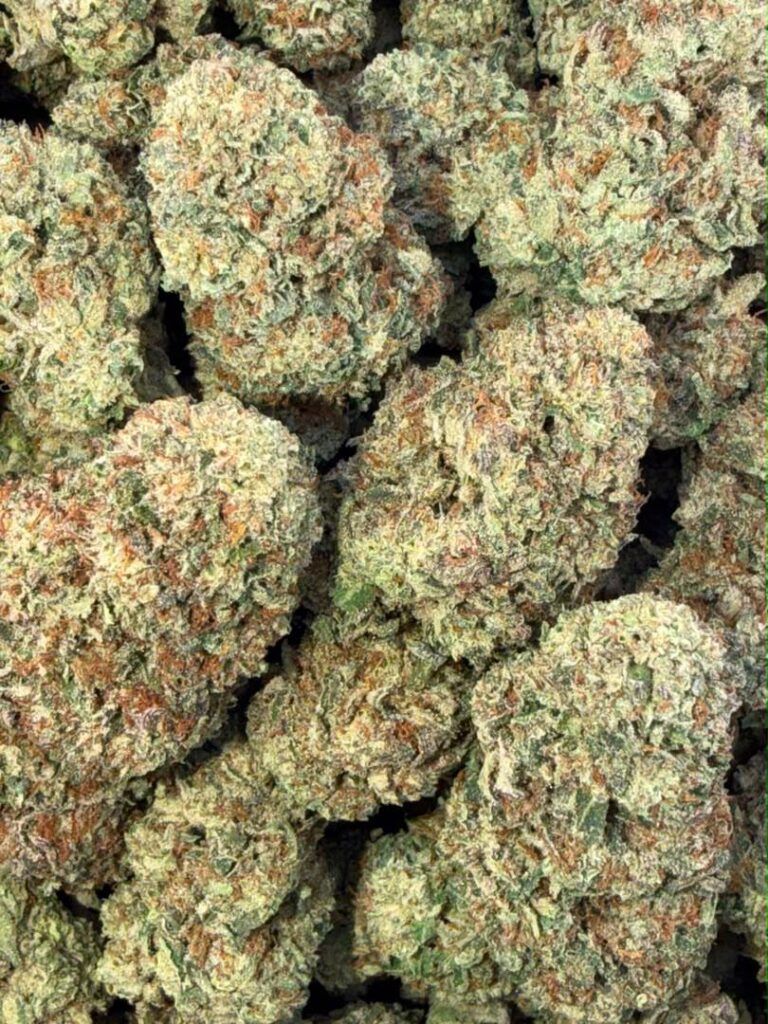
Hybrid strains are simply a cross between indica and sativa genetics, with effects that supposedly land somewhere between the two, depending on which parent’s traits dominate. Candy Gas is a good real-world example of this category. It’s usually described as a balanced hybrid, crossing genetics like Gelato 41 and Runtz, or in other breeder versions, Kandy Kush and OG #18. You get a strain that doesn’t fit neatly into either the “pure energy” or “pure sedation” bucket, because it genuinely isn’t one or the other.
This three-way system is everywhere. It’s on packaging, dispensary menus, weed delivery apps, and it’s the first thing most budtenders will ask you about. And for a long time, almost nobody questioned it. 🌿
Why Scientists Say This System Doesn’t Hold Up Anymore 🔬
Here’s where things get genuinely interesting, and honestly a little uncomfortable if you’ve built your whole shopping habit around indica and sativa labels.
As cannabis research matured, especially between around 2018 and 2025, researchers found something surprising. Indica and sativa categories turned out to be poor predictors of actual effects, according to a detailed breakdown from Weed.com’s Modern Science Edition guide. Two strains labeled “sativa” could have completely different terpene and cannabinoid profiles, and therefore completely different effects, even carrying the same label.
The core issue is that appearance doesn’t reliably predict what a plant will do to your brain and body. A plant’s height and leaf shape tell you about its growing conditions and genetic lineage. They don’t tell you anything about the chemical compounds actually responsible for how a high feels.
The Ethan Russo Factor
If you want the most cited, most direct challenge to the whole indica/sativa framework, it comes from Dr. Ethan Russo, a neurologist and cannabis researcher. In a widely referenced 2016 paper published in Frontiers in Plant Science, titled “The Case for the Entourage Effect and Conventional Breeding of Clinical Cannabis: No ‘Strain,’ No Gain,” Russo argues that categorizing cannabis as indica or sativa is fundamentally unreliable for predicting effects, according to a summary from Hyperwolf’s 2026 breakdown. His widely repeated conclusion is that the indica/sativa taxonomy is largely meaningless for consumers and clinicians, because chemical composition varies so much within each label.
That’s a pretty blunt takedown coming from someone with real credentials in this space, and it’s part of why so much of the cannabis science community has shifted away from treating these labels as meaningful.
Botanists Have Moved On Too
It’s not just effects research pushing back on the old system. Botanically speaking, most scientists in 2026 now agree that all cannabis cultivars come from a single species, with different varieties or subspecies, rather than genuinely separate species the way Lamarck originally proposed, according to Releaf UK. The scientific name most researchers now use reflects this too. The narrow-leaf “drug” variety is formally Cannabis sativa subsp. indica var. indica, and the broad-leaf variety is Cannabis sativa subsp. indica var. afghanica, according to Herb’s 2026 breakdown. Even ruderalis gets folded back in under the sativa umbrella in formal taxonomy. In other words, the clean three-way split most of us grew up with was never quite accurate even at the botanical level, and it’s gotten less accurate as more research has come out.
Almost Everything Is A Hybrid Now Anyway
Here’s the part that really undercuts the whole framework. Decades of crossbreeding mean that the vast majority of cannabis sold today, whether it’s labeled indica, sativa, or hybrid, is genetically a hybrid. A Cosmic Charlies breakdown from their Toronto dispensary locations puts it plainly: the indica/sativa distinction is largely outdated science, and shopping based on those labels alone means you’re probably missing out on a better match for what you actually want.
Even strains marketed as “pure indica” or “pure sativa” often aren’t pure in any meaningful genetic sense once you trace the lineage back, according to Hyperwolf’s 2026 piece. So when a menu tells you something is 90% indica or 100% sativa, take that with a grain of salt. It’s usually a rough estimate based on parentage, not a precise genetic measurement.
So What Actually Determines How A Strain Makes You Feel? 🧪
If indica, sativa, and hybrid labels aren’t reliable, what should you actually be paying attention to? This is where the conversation shifts to chemotype, meaning the specific combination of cannabinoids and terpenes in the plant you’re actually holding.
Clinicians prescribing medical cannabis have already made this shift. In the UK, doctors focus on chemotypes when selecting treatments, choosing based on cannabinoid ratios, terpene profiles, and the patient’s specific symptoms, rather than relying on indica or sativa labels, according to Releaf UK. That’s a meaningful signal. When the people prescribing cannabis for actual medical outcomes stop using a system, it’s worth asking why the rest of us are still relying on it at the dispensary counter.
Terpenes Are Doing More Work Than You Think
Terpenes are the aromatic compounds responsible for how cannabis smells and tastes. But they do more than that. They interact with THC and other cannabinoids in a relationship researchers call the entourage effect, and that interaction genuinely shapes how a high feels, according to Curio Wellness’s terpene guide. Two strains with identical THC percentages can feel completely different depending on which terpenes dominate the profile.
Here’s a breakdown of the terpenes that show up most often in these conversations, and what the current research and user reports associate with each one.
Myrcene is the most common terpene in cannabis, often making up 20% to 65% of a strain’s total terpene content, according to Fresh Bros’ terpene guide. It has an earthy, musky smell and is strongly associated with sedation and muscle relaxation. Research published in Nutrients in 2021, referenced by Sunkissed Farm, found that cannabis with myrcene concentrations above 0.5% is more likely to produce that heavy, “couch lock” feeling experienced users talk about. This is genuinely the terpene doing most of the work behind that traditional “indica” sedation people expect, regardless of what the strain is actually labeled.
Limonene brings a bright, citrusy smell and is tied to mood elevation, stress relief, and mental clarity, according to Cannovia’s breakdown. Some research suggests limonene may specifically help counteract THC-induced anxiety, which is part of why terpene-rich strains sometimes feel more manageable than terpene-stripped, high-THC products with the same potency number. This is generally the terpene behind that “sativa-style” uplift, even when it shows up in a strain labeled indica.
Pinene smells like fresh pine and is linked to alertness and mental clarity without sedation, according to MMJ’s terpenes guide. It’s often paired with limonene in strains people describe as focus-friendly rather than sleepy.
Caryophyllene stands out because it’s the only terpene known to bind directly to cannabinoid receptors, specifically CB2 receptors, giving it a more direct physiological role beyond just smell. It’s linked to anti-inflammatory effects and doesn’t carry the same psychoactive-boosting reputation that myrcene does, per the same MMJ breakdown.
Linalool has a floral, almost lavender-like character and shows up frequently in strains associated with anxiety relief and calm, without the heavier sedation myrcene brings.
Terpinolene is a less common lead terpene, but where it shows up, it’s consistently reported as energizing and creativity-enhancing, according to Sunkissed Farm’s guide. Interestingly, terpinolene on its own doesn’t always behave this way in isolated research, but when it combines with pinene and limonene in a real cannabis plant, the combined effect tends toward bright, alert, cerebral experiences. That’s a pretty clear real-world example of the entourage effect actually doing something measurable.
Why This Matters More Than The Indica/Sativa Label
Once you understand terpenes, the indica/sativa split starts to look almost like a rough proxy for something more specific. A strain gets called “indica” mostly because it happens to have a myrcene-heavy terpene profile. A strain gets called “sativa” mostly because limonene, pinene, or terpinolene lead the way. But the label is a shortcut for the chemistry, not the actual cause of the effect. And shortcuts break down the moment you find an exception, which happens constantly given how much cross-breeding has scrambled the old genetic lines.
Cannabinoids Matter Just As Much As Terpenes 🧬
Terpenes get a lot of attention in this conversation, but cannabinoids are doing plenty of work too, and they’re worth understanding on their own.
THC is the main psychoactive compound, and its concentration matters a lot more than most people realize. A strain testing at 15% THC and one testing at 28% THC can feel like completely different experiences even if they share an identical terpene profile, simply because of the dose difference. This is part of why potency has become such a bigger factor in the modern cannabis market than the indica/sativa label ever was.
CBD is the other major player, and it interacts with THC in ways that can soften some of THC’s more intense effects, including anxiety. A MMJ breakdown on terpene-cannabinoid pairing notes that for people prioritizing anxiety relief, a combination of linalool, limonene, and moderate caryophyllene, ideally alongside some CBD, tends to work better than chasing a specific indica or sativa label.
Minor cannabinoids like CBG, CBN, and CBC also play smaller supporting roles, and as testing technology improves, more dispensaries and brands are starting to list these on their lab reports too. If you’re the kind of person who really wants to understand what you’re buying, checking for a full cannabinoid breakdown, not just the THC number, is worth the extra thirty seconds.
Real Users Are Catching Onto This Too 💬
This isn’t just a conversation happening in research papers. Regular cannabis consumers are noticing the mismatch between labels and actual effects, and it’s showing up in reviews and forum discussions across the internet.
A dispensary team from Cosmic Charlies in Toronto said they’ve guided a lot of customers through exactly this question at their locations, walking people away from picking based on indica/sativa labels alone once they explain what’s actually happening chemically. That’s a pattern showing up at physical dispensary counters, not just in blog posts.
The general sentiment across cannabis communities, once people start comparing notes, tends to land in a similar place. People report buying an “indica” expecting a couch-lock night and instead getting something surprisingly clear-headed. Or grabbing a “sativa” for a daytime pick-me-up and ending up unexpectedly sleepy an hour later. These aren’t rare, isolated stories. They’re common enough that most experienced cannabis consumers have at least one version of this exact experience.
Candy Gas: A Real Example Of Why Hybrid Labels Get Complicated 🍬⛽
Candy Gas is a genuinely useful case study here, because it shows exactly how messy the “hybrid” label gets once you look past the name on the jar.
Depending on which breeder’s version you’re looking at, Candy Gas traces back to either a Gelato 41 and Runtz cross, or a completely different lineage involving Kandy Kush and OG #18 bred by Crockett Family Farms, according to a Leafly strain listing. Some sources classify it as a balanced 50/50 hybrid. Others describe it as leaning indica. The terpene profile leans on caryophyllene and limonene, giving it that classic sweet-then-gas character, plus supporting terpenes like myrcene that show up depending on the specific phenotype.
What you actually get from Candy Gas depends heavily on which version you’re holding. A phenotype with more myrcene in the mix is going to feel more relaxing and body-heavy. A phenotype leaning harder on limonene is going to feel brighter and more mood-lifting. The strain name alone, or even the “hybrid” label, doesn’t tell you which version is in your jar. Only the actual lab report does.
This is exactly the pattern researchers are describing when they say the old classification system doesn’t hold up anymore. Candy Gas isn’t unusual here. It’s just a well-documented, popular example of something true across most of the modern cannabis market. The name gets you in the door. The chemotype tells you what’s actually going to happen once you smoke it.
Does The Traditional System Have Any Value Left? 🤔
It’s worth being fair here, because completely throwing out indica, sativa, and hybrid labels isn’t quite the right move either.
Ignited Culture’s 2026 guide makes a reasonable case that these labels are still useful as a rough starting point, even with their limitations. When a budtender recommends an indica-dominant strain for sleep or a sativa-dominant strain for a creative afternoon, they’re drawing on a real, if imperfect, statistical pattern. It’s not that the labels are meaningless. It’s that they’re a loose average, not a promise.
Think of it like ordering coffee. If someone tells you a “dark roast” will taste bold and a “light roast” will taste bright and acidic, that’s generally true on average, but it’s not a guarantee for every single bag from every single roaster. Some dark roasts are smoother than some light roasts. The category gives you a hint, not a certainty. Indica and sativa work about the same way.
The right approach, according to multiple sources including Ignited Culture, is to use these labels as a starting point, then pay attention to the specific cannabinoid and terpene profile of each product, and track how different strains actually affect you personally over time. That combination, rough label plus real lab data plus your own experience, gets you a much more reliable shopping system than any single piece of information on its own.
Genotype vs Chemotype: The Distinction Nobody Explains 🧬
Here’s a distinction that clears up a lot of confusion once you actually sit with it. Genotype is a plant’s genetic code, its actual DNA. Chemotype is what that plant produces chemically, the cannabinoids and terpenes that end up in the flower you buy. These two things are related, but they’re not the same, and a lot of the confusion around indica and sativa comes from mixing them up.
A plant’s genotype does influence its chemotype to some degree. Certain genetic lines are more likely to produce higher myrcene, for example. But genotype doesn’t lock in a chemotype the way most people assume. Growing conditions, light exposure, soil composition, harvest timing, and curing all shape the final terpene and cannabinoid content, sometimes dramatically, even within a single genetic line. This is part of why a “Candy Gas” grown by one cultivator can taste and feel noticeably different from a “Candy Gas” grown by another, even though they’re technically the same genetic strain.
Some newer testing labs and research groups have started using DNA genotyping alongside chemical testing to map cannabis more accurately, separating true genetic lineage from the more variable, environment-influenced chemotype. This kind of research is part of why so many scientists have moved away from indica and sativa as meaningful categories. Genetics alone doesn’t predict effects reliably, and neither does the traditional label. What predicts effects most reliably is the actual chemotype of the specific batch sitting in front of you, tested after harvest, not guessed at based on lineage or leaf shape.
This distinction also explains a pattern a lot of long-time consumers notice but rarely put into words. You might buy the same strain from the same brand two seasons in a row and notice the second batch hits differently, even though the genetics are technically identical. That’s chemotype drift, not a labeling error. A slightly different curing process, a different harvest window, or a change in growing conditions can shift the terpene ratios enough to change how a strain feels, without changing anything about its genetic identity. Once you understand this, batch-to-batch inconsistency stops feeling like a mystery and starts feeling like something you can actually plan around, mainly by checking the lab data for each specific batch instead of assuming last time’s experience will repeat exactly.
Why Dispensaries Still Lean On The Old Labels 🏪
If the science has moved past indica and sativa, you might wonder why every dispensary menu still leads with those words. There’s a practical reason, and it’s not necessarily dishonest.
Indica, sativa, and hybrid are fast. A customer walks in, maybe a little overwhelmed by forty different strain names, and needs a quick way to narrow things down. “Looking for something relaxing tonight” maps easily onto “indica” in a customer’s head, even if the deeper truth is more complicated. Budtenders are working retail hours with a line of people behind the person they’re currently helping. Explaining terpene chemistry to every single customer isn’t realistic, and most customers aren’t asking for that level of detail anyway.
There’s also a labeling and packaging reality here. Most state and provincial cannabis regulations don’t require chemotype labeling the way they require THC percentage. Terpene testing costs money, and not every producer includes a full terpene breakdown on their packaging, even though cannabinoid testing is usually mandatory. Until regulations catch up and terpene data becomes a standard, required part of every label, indica and sativa will probably stick around as the default shorthand, simply because there’s no easier universal replacement yet.
That’s actually a decent argument for doing a little extra work yourself as a shopper. The framework at the counter isn’t going away soon. But you don’t have to stop at the framework. Ask if they have a QR code or printed COA for a specific batch. A lot of dispensaries do have this information, they just don’t always volunteer it unless you ask.
Given everything above, here’s a practical framework for choosing cannabis that goes beyond just picking based on indica, sativa, or hybrid.
Step One: Check The Lab Report, Not Just The Label
Every legally sold cannabis product should come with a Certificate of Analysis, usually called a COA. This is where the real information lives. Look at the terpene breakdown first. If you want energy and focus, look for limonene, pinene, or terpinolene near the top of the list. If you want relaxation and sleep support, look for myrcene leading the profile.
Step Two: Think About Total Terpene Percentage
A strain with a high total terpene percentage, generally above 2%, tends to deliver a stronger, more distinct experience than one testing under 1%, regardless of what it’s labeled. Total terpene content is a decent proxy for overall flavor and effect intensity.
Step Three: Match Terpenes To Your Actual Goal
Instead of asking “is this an indica or a sativa,” try asking a more specific question. Do you want something for sleep? Look for myrcene-dominant profiles. Do you want mood lift without sedation? Look for limonene leading the way. Do you want to stay clear-headed and social? Pinene and terpinolene are your friends. Do you want relaxation without full sedation, something more like a mellow afternoon than a knockout night? Caryophyllene and linalool paired together tend to land there.
Step Four: Consider THC Percentage Separately From Terpenes
Don’t confuse potency with effect type. A high-THC strain can be sedating or energizing depending on its terpenes, and a lower-THC strain can still deliver a strong terpene-driven experience. These are two separate variables, and conflating them is one of the most common mistakes people make when strain shopping.
Step Five: Track Your Own Reactions
Your body’s chemistry matters more than any label ever will. Keep a simple mental note, or an actual note on your phone, of what you tried, how much, and how it actually made you feel. Over a few months, you’ll start to notice your own patterns. Maybe you respond really well to caryophyllene-heavy strains regardless of what they’re labeled. Maybe myrcene always makes you groggy the next day even at low doses. This personal data ends up being more useful than any strain name you’ll ever read on a menu.
Real Strain Examples That Break The Rule 🔍
Nothing makes this click faster than specific examples, so here are a few well-documented cases where the indica/sativa label doesn’t match the actual experience people report.
Sour Diesel is one of the most famous “sativa” strains in cannabis history, known for an energetic, cerebral high. But genetically and in terms of leaf structure, it actually traces back to broad-leaf, indica-type ancestry, according to breeding history discussed across multiple strain guides. It got marketed and remembered as a sativa because of its energizing effects, not because of its actual genetic classification, which is a perfect example of the industry using the word to mean “how it feels” instead of “what it is.”
Blue Dream, one of the most popular hybrid strains in North America, is a good example of how dose changes everything. It’s described in Cannovia’s terpene breakdown as delivering either an energizing or relaxing high depending entirely on dosage, despite carrying myrcene in its profile, the terpene most associated with sedation. A small amount can feel bright and functional. A larger amount of the exact same flower can feel much heavier. Same plant, same chemotype, different experience, purely based on how much you take.
Grape Ape, frequently cited as a textbook myrcene-dominant strain, matches the traditional “indica” reputation closely, landing solidly in the relaxation and sleep category according to Fresh Bros’ terpene guide. This one’s a case where the traditional label and the chemistry actually line up, which is worth noting too. The old system isn’t wrong all the time, it’s just not reliable enough to trust blindly.
Candy Gas, as covered earlier, sits in a gray zone depending on phenotype, sometimes leaning more toward the classic hybrid balance, sometimes leaning noticeably indica depending on which cut you land on. That inconsistency, even under one specific strain name, is really the whole point of this entire guide. The label gets you close. The actual lab data and your own experience get you accurate.
Why Your Own Biology Changes Everything 🧬
Even with perfect lab data in hand, your own body plays a huge role in how any strain, indica, sativa, or hybrid, actually feels. This is probably the most overlooked piece of the whole conversation.
Everyone’s endocannabinoid system is a little different. This is the network of receptors throughout your brain and body that THC and other cannabinoids interact with. Genetic variation in receptor density and sensitivity means the exact same dose of the exact same strain can hit two different people in noticeably different ways. This is part of why your friend can smoke a bowl of something and feel perfectly relaxed while you feel foggy and disoriented from the same amount.
Tolerance is another huge factor. Someone who uses cannabis daily is going to need a meaningfully larger amount to feel the same effect as someone who uses it once a month. This isn’t just a mental thing, it’s a real physiological adaptation, and it means a strain that felt overwhelming to you a year ago might feel mild now, or the reverse if you’ve taken a long break.
Body composition, metabolism, what you’ve eaten that day, your hydration level, and even your stress level going into a session all shift the experience too. None of these variables show up on a strain label, no matter how detailed the terpene breakdown is. This is exactly why tracking your own personal reactions over time, mentioned earlier in this guide, matters so much. The lab report tells you what’s in the plant. Only your own experience tells you what that plant actually does to you specifically.
A few beliefs about indica, sativa, and hybrid strains are worth specifically calling out, since they’re common and not well supported by current evidence.
Myth: Indica always means couch-lock, sativa always means energy. This one gets debunked constantly by real user experiences. Effects come down to terpene and cannabinoid content, not the label, and plenty of “indica” strains feel clear and functional while some “sativa” strains hit surprisingly heavy.
Myth: You can tell how a strain will feel by looking at the plant. Plant shape and leaf width tell you about genetics and growing conditions, not the chemical makeup that actually determines the high. This was true even back when the classification system was first proposed, and it’s even less useful now given how much hybridization has happened.
Myth: Hybrid strains are always perfectly balanced. A hybrid can lean heavily toward one parent’s effects depending on the specific phenotype and terpene expression, even if it’s technically a 50/50 genetic cross. “Hybrid” tells you the strain has mixed lineage, not that the effects will land exactly in the middle.
Myth: Higher THC always means a stronger, more intense high in the same direction. THC intensity and effect direction (relaxing versus energizing) are separate things. A high-THC, myrcene-dominant strain will hit you hard and put you to sleep. A high-THC, limonene-dominant strain will hit you hard and keep you wired. Same potency, very different nights.
Myth: All strains within a category behave the same way. As covered earlier with Candy Gas, even a single named strain can vary meaningfully between phenotypes and growers. Trusting a strain name alone, regardless of category, is risky without checking the actual lab data behind the specific batch you’re buying.
What This Means If You’re New To Cannabis 🌱
If you’re just getting started, all of this might feel like a lot to take in. Here’s the simplified version.
Indica, sativa, and hybrid labels aren’t useless, but they’re rough guesses, not guarantees. If you’re new, it’s fine to start with those labels as a general direction, since they’re everywhere and they’re easy to use as a first filter. But don’t stop there. Ask to see the lab report or terpene breakdown if the shop has one available. Start with a small amount regardless of what the label says, since potency varies wildly even within a single category. And pay attention to how you actually feel afterward, since that personal data will teach you more than any label ever will.
Over time, you’ll probably notice you respond more consistently to certain terpenes than to certain category labels. That’s the moment you’ve genuinely leveled up your cannabis knowledge past where most casual consumers ever get to.
What This Means If You’re An Experienced Consumer 🎓
If you’ve been buying cannabis for years based on indica, sativa, and hybrid labels, this information might feel like it’s pulling the rug out. In a way, it kind of is. But it’s also an upgrade once you get used to it.
Start reading terpene breakdowns the way you’d read a nutrition label. It takes a little practice, but it becomes second nature fast. Pay attention to phenotype names when a dispensary or brand provides them, since these often tell you more about the actual chemotype than the base strain name does. And if you’ve been loyal to certain strain names for years, it’s worth checking whether your loyalty is really about consistent effects, or just brand recognition and habit. A lot of experienced users find that once they start shopping by terpene profile instead of strain category, they discover new strains they’d never have picked based on the old indica/sativa framework, and end up liking them more.
Why Strain Names Sound The Way They Do 🍭
Once you understand that names like indica and sativa don’t reliably predict effects, it’s worth asking why strain names themselves have gotten so elaborate and flavor-focused in recent years. Candy Gas, Gelato, Runtz, Zkittlez, these names sound more like a snack aisle than a plant classification system, and that’s not an accident.
As the effects-based indica/sativa split lost credibility among more informed consumers, breeders and brands shifted their marketing toward flavor and experience descriptors instead. Naming a strain after its terpene-driven taste (candy, gas, fuel, citrus, berry) gives shoppers a more honest hint about what they’re actually going to smell and taste than “sativa” or “indica” ever did, even if it still doesn’t fully capture the cannabinoid side of the experience. It’s not a perfect system either, since names get reused, tweaked, and sometimes applied loosely across genetically unrelated plants once something becomes popular. But it does represent a shift toward marketing based on sensory experience, which lines up more closely with what terpene chemistry actually is, compared to a decades-old plant taxonomy system.
This also explains why you’ll sometimes see the same strain name attached to noticeably different genetics depending on the breeder, something covered earlier with Candy Gas specifically. Once a flavor profile becomes desirable, multiple breeders chase a similar taste through different genetic paths, and the market ends up with several unrelated plants all wearing a similar name. It’s a messy system, but it’s arguably more honest about what actually varies between batches than the indica/sativa framework it’s slowly replacing.
Where Cannabis Labeling Is Probably Headed Next 🔮
It’s worth looking ahead a little, since the shift away from indica and sativa isn’t finished, it’s still in progress.
A few dispensaries and brands, particularly in more established medical markets like the UK and parts of Canada, have already started shifting toward chemotype-first labeling, leading with cannabinoid ratios and dominant terpenes rather than a category word. Releaf UK’s clinical approach is a good example of what this looks like in practice, matching patients to specific terpene and cannabinoid combinations based on their actual symptoms rather than a generic label.
Some newer cannabis apps and platforms are also experimenting with effect-tracking tools that let users log their own reactions to specific chemotypes over time, essentially building a personal database that’s far more useful than any strain name. This lines up with the personal-tracking advice mentioned earlier in this guide. As more of this data accumulates across large user bases, it’s reasonable to expect recommendation systems that suggest products based on your documented reactions to specific terpenes, rather than broad categories like indica or sativa at all.
None of this means indica and sativa will disappear from menus anytime soon. They’re too embedded in cannabis culture and too useful as quick shorthand for brand-new customers. But the shopping experience for anyone willing to look a little closer is already shifting toward something more precise, and that shift is only going to continue as testing gets cheaper and more standardized across different markets.
One more factor worth mentioning, since it ties directly into everything above. How you consume cannabis changes which terpenes actually reach you, regardless of what’s in the original plant.
Smoking flower burns off some of the more delicate, lighter terpenes almost immediately, due to the heat involved in combustion. Vaping at lower temperatures tends to preserve more of those lighter compounds, which is part of why vaped cannabis often tastes and feels a bit different than smoked cannabis from the exact same batch. Edibles skip inhalation entirely, and the way THC gets processed through your liver changes the effect timeline and intensity in ways that terpene profile alone can’t fully explain. Dabbing concentrates, especially live rosin, tends to deliver the most concentrated, accurate version of a strain’s full terpene profile, since these extraction methods are built around preserving the original chemistry as closely as possible.
So even with a perfect lab report in hand, the same strain can feel noticeably different depending on how you actually consume it. That’s one more reason the old indica/sativa system, which never accounted for consumption method at all, was always going to be an incomplete way to predict effects.
How To Talk To A Budtender Now That You Know This 🗣️
Understanding all of this doesn’t mean you need to walk into a dispensary and start lecturing the person behind the counter about Ethan Russo’s research. That’s not going to make your shopping trip any faster, and honestly, a lot of budtenders already know this stuff. Here’s a more useful way to apply what you’ve learned.
Instead of asking “what’s a good indica,” try describing the actual experience you’re after. Something like “I want something that relaxes me without knocking me out” or “I need something that keeps me social and clear-headed at a party” gives a good budtender much more to work with than a category word. Most experienced staff will translate that request into terpene and cannabinoid guidance on their own, since they’re trained to think that way even if the menu itself still leads with indica and sativa labels.
If you want to go a step further, ask directly whether they have terpene data available for specific products, not just THC percentage. Some shops have this printed on shelf tags or accessible through a QR code, others will need to pull it up separately. Either way, asking signals that you want a more precise recommendation, and most staff will happily go the extra step if you show genuine interest.
And if you’re shopping online instead of in person, look specifically for platforms or brands that publish full COAs rather than just a strain name and a THC percentage. This is becoming more common as more consumers ask for it, and it’s honestly one of the clearest signals of a brand that takes quality seriously.
Is the indica vs sativa vs hybrid system completely wrong? Not completely wrong, but it’s an oversimplified average rather than a reliable predictor. Botanically, most modern cannabis is hybridized regardless of its label, and effects come down more to specific terpene and cannabinoid content than to which category a strain falls into.
What should I look at instead of indica, sativa, or hybrid? Check the terpene breakdown on the lab report if one’s available. Myrcene tends toward relaxation and sleep, limonene and pinene tend toward mood lift and clarity, and caryophyllene tends toward calm without heavy sedation.
Why do two strains with the same label feel so different? Because the label describes rough lineage or marketing category, not the specific chemical makeup of that particular batch. Growing conditions, phenotype, and curing all affect the final terpene and cannabinoid content, even under an identical strain name.
Is Candy Gas an indica or a sativa? It’s generally classified as a hybrid, though descriptions vary by breeder and specific phenotype. Some versions lean more indica, others feel more balanced, which is a good real-world example of why the hybrid label alone doesn’t fully describe the experience.
Do terpenes actually change the effects, or just the smell and taste? Current research suggests terpenes do more than shape smell and taste. They interact with THC and other cannabinoids in what’s called the entourage effect, and that interaction appears to genuinely influence whether an experience feels more energizing or more sedating.
Should beginners still use indica and sativa labels when shopping? It’s fine as a starting point, since the labels are everywhere and easy to use as a first filter. But pairing that with a look at the terpene breakdown, and paying attention to your own personal reaction over time, will serve you much better long term.
Why does the same strain feel different from different growers? Genotype (the plant’s DNA) only partly determines chemotype (its actual cannabinoid and terpene output). Growing conditions, harvest timing, and curing all shape the final chemistry, which is why the same strain name can vary a lot batch to batch and grower to grower.
Does tolerance change whether a strain feels like an indica or a sativa? Not directly, but it changes intensity, which can make an effect feel different overall. A dose that felt heavily sedating early in your cannabis use might feel much milder once your tolerance builds, even with an identical myrcene-dominant strain.
Is it worth asking a dispensary for a terpene breakdown instead of just a strain category? Yes, if the goal is a more predictable experience. Not every shop has this readily available, but more are starting to provide it, and asking is a good habit if you want your shopping to be based on actual chemistry rather than a rough category guess.
Final Thoughts 🌿
Indica vs sativa vs hybrid explained the old way was simple, and simple is comfortable. But comfortable isn’t the same as accurate. The real story is that effects come down to specific terpenes, cannabinoids, dose, and your own individual chemistry, not a three-word label slapped on a jar based on plant height and leaf shape from centuries ago.
That doesn’t mean you need to throw out everything you thought you knew. Use indica, sativa, and hybrid as a loose starting point if that’s comfortable. But once you’re ready to actually understand what you’re buying, start reading terpene breakdowns, pay attention to specific strains like Candy Gas and how their phenotypes vary, and track your own reactions over time. That combination will get you a far more reliable, personal system than any label ever could.
I still see indica and sativa on every menu I walk past, and I probably always will. But I don’t shop off those words anymore. I shop off the actual chemistry, and I check how a strain made me feel the last time I tried something with a similar terpene profile. It took a little longer to learn, but it’s made the difference between hoping a purchase works out and actually knowing what I’m about to feel before I even open the jar. That’s a better place to shop from, and honestly, it’s not that hard to get there once you know what to look for.
This article is for informational purposes only and isn’t medical advice. Cannabis affects everyone differently, and effects can vary by individual biology, tolerance, and consumption method. Check your local laws before purchasing or using any cannabis product.
