 Skip to content

I still remember the first time I cracked open a jar of Candy Gas. 🍭 My brain did this weird double take. Half of me smelled a bag of fruit candy. The other half smelled a mechanic’s garage. Sweet and gas, in the same breath, from the same bud. It didn’t make sense, and that’s exactly why I couldn’t stop smelling it.
That confusion is the whole point of this strain. And it’s a small window into something much bigger: modern cannabis genetics. We’re not just growing weed anymore. We’re building it, piece by piece, trait by trait, almost like engineers with a very fun job. Candy Gas is one of the clearest examples of that work. So let’s get into how it happened, who did it, and why your nose can’t quite believe what it’s smelling. 🔥
What Candy Gas Actually Is
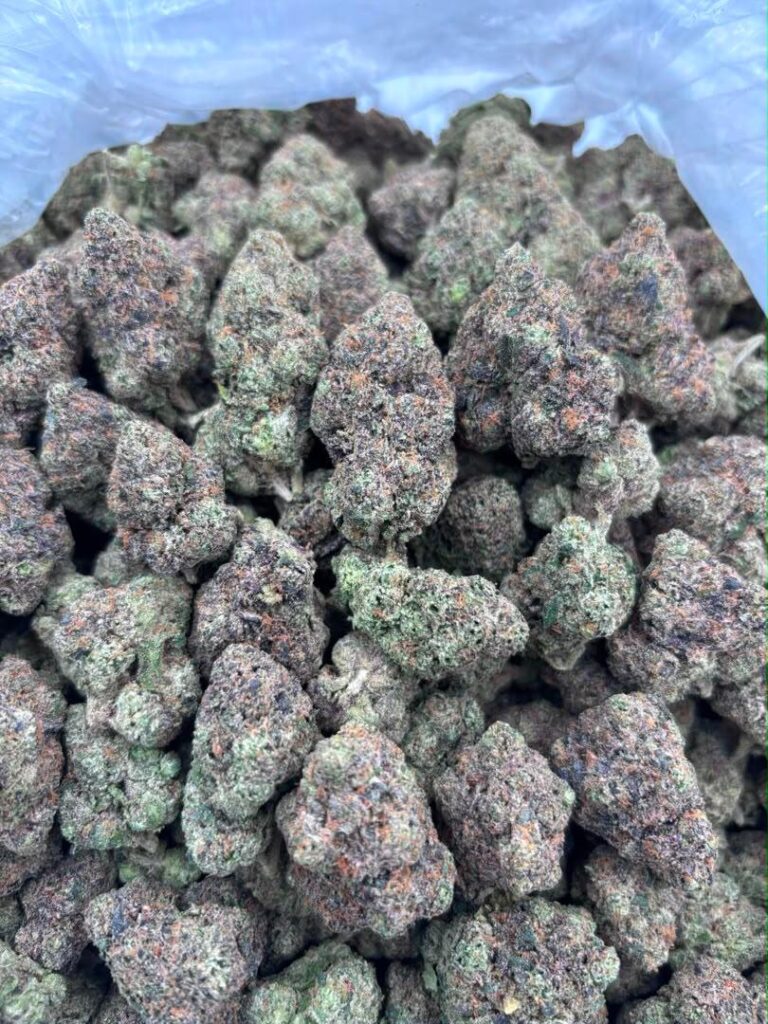
Candy Gas is a hybrid strain that hits two flavor notes most people think don’t belong together: dessert and diesel. The buds usually show up dense and frosty, sometimes deep purple, sometimes bright green with orange hairs woven through. It looks almost too good, like something a candy company designed on purpose.
The effects land in the middle too. Most people report a happy, clear-headed start that eases into a calm body feeling, without knocking you flat on your back. That balance is part of why it’s become a shelf favorite in states with legal markets, according to Weedmaps’ Candy Gas strain profile.
Here’s the part that surprises people. Candy Gas isn’t really “one strain” in the strict sense, like a single locked-in genetic line that every breeder grows the exact same way. It’s more like a flavor target that several breeders have hit from different directions. That’s a modern cannabis genetics thing, and we’ll get into why in a minute.
The Family Tree Nobody Fully Agrees On
Ask five people where Candy Gas came from and you might get five different answers. That’s not sloppy reporting. It’s just how this corner of the plant world actually works right now.
One version says Candy Gas comes from Kandy Kush crossed with OG #18, bred by Crockett Family Farms. That version also goes by the name Gas Candy, and Leafly’s strain page lists it as a 50/50 hybrid sitting around 20% THC.
Another version says the cross is Bacio Gelato and Runtz, put together by a breeder called Grounded Genetics. SeedsHereNow’s Candy Gas review backs this version and points to Gelato 41 crossed with Runtz specifically, which lines up with the dessert-heavy, purple-and-green bud look a lot of Candy Gas photos show off.
A third version claims Zkittlez crossed with a mix of Mendo Breath and Jet Fuel Gelato, which is the lineage listed on HighThere’s Candy Gas page.
And a fourth take, from JointCommerce’s Candy Gas guide, says the honest answer is that Candy Gas isn’t tied to one exact cross at all. It’s a “dessert parent” (something like Runtz or a Gelato cut) bred into a “gas parent” (something like ChemDog, Sour Diesel, or OG Kush). Different breeders run that formula their own way, and they all call the result Candy Gas because that’s what it smells like.
So which one is correct? Honestly, probably all of them, sort of. Modern cannabis genetics moves fast, and cannabis breeding has never had one central authority checking everyone’s paperwork. A breeder in Los Angeles and a breeder in the Netherlands can both land on a candy-and-fuel hybrid without ever talking to each other, then both slap the same name on it because that’s the most obvious way to describe what’s in the jar. Our own Candy Gas strain review runs into this same tangle, and honestly, that’s part of the fun of tracking this strain’s story. 🧬
How We Actually Got Here (The Short History)
To get why Candy Gas exists, you have to back up about twenty years.
Cannabis breeding used to be pretty rough. Growers crossed whatever they had, kept what grew fast and produced a lot, and didn’t think too hard about smell or flavor as a science. Then came Chemdawg, a strain with a murky origin story that most old-school breeders still argue about. Chemdawg bag seed led to OG Kush. OG Kush led to Sour Diesel and a whole “gas” family of strains that smell like fuel, rubber, and skunk. That’s the “gas” side of Candy Gas, and it goes back decades.
The “candy” side has a separate story. Girl Scout Cookies crossed OG Kush with Durban Poison and kicked off the “Cookies” family. From there came Gelato, Wedding Cake, and Sunset Sherbet, strains that leaned into creamy, dessert-like smells instead of pure fuel. Around the same time, in Northern California, a strain called Zkittlez showed up. According to SeedFinder’s strain database, Zkittlez was bred from Grape Ape and Grapefruit plus an undisclosed third strain, by breeders known as Terp Hogz and 3rd Gen Family Farms. It went by the nickname “Gas Station Bob” before it had its final name, and it won first place at the 2016 Emerald Cup.
Then in 2017, a group in Los Angeles crossed Zkittlez with Gelato and named the result Runtz. Dark Coast Seed Co.’s history of Runtz describes an Emerald Cup judge calling the smell “syrupy berry cream with gassy notes.” That single sentence basically describes the entire Candy Gas category before Candy Gas even had a name. Runtz picked up backing from the Cookies brand and went on to win Leafly’s Strain of the Year in 2020, based on Leafly’s Runtz strain page.
Once Runtz blew up, breeders everywhere tried to chase that same candy-and-gas combo. White Runtz, Pink Runtz, Banana Runtz, dozens of versions showed up. SeaweedDelivery’s breakdown of White Runtz explains that breeders locked in the traits through repeated backcrossing, which is basically breeding a plant with its own parent line over and over to keep the good traits consistent.
Candy Gas is what happened next. Breeders kept pushing that same candy-plus-fuel idea, mixing in other gas-heavy lines like Kandy Kush, OG #18, and Mendo Breath, and out came a whole new wave of strains that all landed in the same sensory zone. It’s not one invention. It’s the end result of about fifteen years of breeders all chasing the same flavor idea from different directions. 🍬⛽
What Modern Cannabis Genetics Actually Means Day to Day
“Modern cannabis genetics” sounds like a big science term, but the actual work is pretty grounded. It’s mostly about control. Old-school breeding was a numbers game. You planted a hundred seeds, hoped a few turned out great, and tossed the rest. Modern breeding still uses that same basic idea, but with way more precision layered on top.
Here’s how it actually plays out.
Pheno hunting. Breeders grow out a batch of seeds from the same cross, then watch closely for the one plant (the “phenotype”) that expresses the traits they want most: strong smell, good structure, high resin, the right color. According to PhenoDB’s genetics guide, this is exactly how legends like Gelato #33, Wedding Cake, and Original Glue got discovered. Nobody designed those on paper. Someone grew out a hundred seeds and found the one winner.
Feminized seeds. A feminized seed only grows into a female plant, which is the plant type that actually produces the flower people smoke. This matters because it cuts out half the guesswork. Seeds Here Now’s guide to phenotype hunting notes that feminized seeds from strong breeders hold up well for hunting standout plants, since you don’t waste grow space on males you’ll just have to pull.
Backcrossing and stability. Once a breeder finds a great phenotype, they don’t just sell seeds from it right away. They often breed it back into its own parent line a few times to “lock in” the traits so every future seed grows more like that winning plant. Exposed Magazine’s piece on precision genetics points out that this shift toward stability and predictability is one of the biggest changes in how seed lines get built compared to ten years ago.
Clone-only elites. Some of the best cuts never get sold as seeds at all. The breeder just keeps cloning that one exact plant forever, which is why certain cuts of Gelato or certain cuts of Candy Gas cost more and get talked about like rare finds. A seed can drift a little from generation to generation, but a clone is genetically identical to the mother plant every single time.
Genomic tools and terpene testing. Breeders now lean on lab data instead of just their nose. They check terpene percentages, run cannabinoid panels, and use that data to decide which plants move forward in a breeding program. Neptune Seed Bank’s guide to high-potency genetics makes a good point here: raw THC percentage on a label doesn’t tell you much on its own, since lab-to-lab variation is real, and the terpene-cannabinoid combo matters more for how a strain actually feels.
Put all that together and you get Candy Gas. Someone pheno hunted a cross until they found a plant that leaned candy-sweet and diesel-funky at the same time. Then they stabilized it, maybe cloned the best cut, and pushed it out into the market. That’s modern cannabis genetics in a nutshell: less luck, more process, same plant. 🌱
Why It Actually Smells Like Candy AND Gas
This is the part I find genuinely cool, and it comes down to chemistry, not marketing.
Cannabis produces tiny aromatic compounds called terpenes. They’re the same type of compound that makes lavender smell floral or makes an orange peel smell citrusy. Cannabis just happens to produce a much wider range of them, and different strains lean into different combos.
For the “candy” side of Candy Gas, the big players are:
- Limonene, which brings citrus and fruit-forward sweetness
- Linalool, which adds a soft, floral note (also found in lavender)
- Ocimene, which leans sweet and a little herbal, sometimes described as tasting like grape candy
For the “gas” side, the main one is:
- Caryophyllene, a peppery, spicy compound linked to the fuel-and-funk smell in OG-lineage strains
JointCommerce’s Candy Gas guide breaks this down well. The “candy” character tracks closely with limonene, linalool, and ocimene, while the “gas” character tracks with caryophyllene and trace sulfur compounds carried over from OG-adjacent genetics. When a breeder crosses a dessert strain into a gas strain, they’re not just mixing names. They’re literally mixing terpene profiles, and if the cross goes right, you get both smells sitting on top of each other instead of one canceling out the other.
There’s also a science idea called the entourage effect, which is the theory that cannabinoids and terpenes work together in the body rather than acting alone. Neptune Seed Bank’s guide makes the point that this combo often matters more for how strong a strain feels than the raw THC number does. That tracks with what a lot of Candy Gas fans say too: it’s not always the highest-THC flower in the shop, but it often feels stronger than the label suggests.
For anyone shopping by lab sheet, JointCommerce suggests looking for total terpenes in the 2.0 to 4.0 percent range for a strong, loud batch. Anything lower and you’re probably getting a version that’s more hype than flavor.
What People Are Actually Saying About It
I don’t love strain write-ups that only quote glowing five-star reviews, because real weed isn’t that consistent. Candy Gas is a good example of why.
On the positive side, growers on forums describe purple Candy Gas phenotypes that come out candy-sweet and gassy at once, to the point that the bud “sells itself just off look and smell,” according to a grower quoted in Herb’s Candy Gas breakdown. Reviewers on Leafly describe a grape-candy scent with a mellow but locked-in high, good for movies, gaming, or just chilling without getting knocked out, based on comments collected on Leafly’s Gas Candy review page. Some reviewers also mention it helping with things like shoulder pain or trouble sleeping, though that’s personal experience, not medical advice.
But not every batch nails it. Herb’s writeup also mentions a reviewer who scored one Candy Gas cut a 7.5 out of 10, saying the gas and skunk smell was loud, but the candy sweetness barely showed up, and the buds fell apart too easily when squeezed. That’s an honest and useful data point. Because Candy Gas comes from more than one lineage depending on the breeder, quality really does swing from grower to grower and cut to cut.
If you’re buying it, that split review pattern is actually the most useful thing to know. Gas and potency tend to show up reliably. Candy sweetness and bud density depend a lot more on who grew it and how well they dialed in the last few weeks of flower.
Growing Candy Gas: What It Actually Takes
If you’re a grower thinking about running this yourself, a few things matter more than usual with this strain.
It’s considered a moderate to advanced grow, not a total beginner plant. Herb’s grow notes point out that it does best in warm, dry, Mediterranean-style conditions, and that indoor growing is strongly recommended so you can protect the terpenes and keep mold away from those dense, tightly packed buds.
A few practical tips show up again and again across grower guides:
- Flush before harvest. Most guides recommend flushing 10 to 14 days out to protect the terpene profile and keep that candy note clean instead of muddy.
- Don’t rush harvest. Waiting for around 70% cloudy trichomes with a bit of amber mixed in helps bring out the full relaxing effect. Harvest too early and the gas notes stay muted.
- Go light on nitrogen mid-flower. Heavy nitrogen tends to work against dense, aromatic bud formation. Backing off nitrogen and pushing phosphorus and potassium instead tends to produce denser, more fragrant flower.
- Watch the day-night temperature swing. Neptune Seed Bank’s cultivation notes mention that a 10 to 15 degree drop between day and night temps during late flower can help push both cannabinoid and terpene expression higher.
None of this is exotic advice. It’s just attention to detail, which honestly sums up most of modern cannabis cultivation. The genetics get you potential. The grower decides how much of that potential actually shows up in the jar. 🌡️
Candy Gas Isn’t a Strain. It’s a Category.
Here’s the honest, slightly less tidy truth about Candy Gas: it’s less like a single named strain and more like a genre.
JointCommerce’s guide makes this point directly. Because Candy Gas shows up under multiple breeder programs, more than one lineage exists under that same name, and each one is aimed at hitting the same basic sensory target: sugar over fuel. Regional breeders and seed banks label their cut Candy Gas whenever it lands in that zone, whether the parents were Kandy Kush and OG #18, or Zkittlez and a gas-heavy Gelato line, or something else entirely.
This is part of a bigger shift happening across the whole cannabis market right now, sometimes called “dessert gas.” Lucky Elk’s piece on the flavor-first THCa market explains that breeders like Lit Farms, Seed Junky, and Raw Genetics kept crossing Runtz, Zkittlez, and Gelato lines together, chasing sweetness while adding funk, fuel, and depth underneath it. Candy Gas fits squarely into that trend. It’s also become a favorite in the hemp-derived THCa flower space, where growers lean hard on terpene expression to build a strong sensory experience while staying under the federal Delta-9 THC limit.
So when someone asks “what strain is Candy Gas exactly,” the most accurate answer is: it depends whose seed pack or whose menu you’re looking at. That’s not a flaw in the strain. It’s just what modern cannabis genetics looks like when a flavor idea gets popular faster than the industry can standardize it. Give it a few more years, and a handful of these Candy Gas lineages will probably become the “official” ones, the same way Runtz eventually became the accepted name for one specific Zkittlez x Gelato cross out of dozens of similar attempts.
Where Modern Cannabis Genetics Goes From Here
Candy Gas is a snapshot of where breeding is right now, not the finish line. A few directions are already clearly forming.
Breeders are moving past pure THC chasing and starting to work more with minor cannabinoids like CBG, CBC, and THCV, according to Berserk Genetics’ breeding overview. These compounds show up in smaller amounts but can shape the overall feel of a high in ways a single THC number can’t capture.
There’s also a push toward what breeders call designer terpenes, meaning flavor combos that go past the usual gas, fruit, and earth categories that have dominated the market for a decade. Candy Gas itself is basically an early version of that idea. Expect more strains built specifically around a target smell rather than just a target potency.
Resilience is another growing focus. Breeding for drought tolerance, heat tolerance, and pest resistance matters a lot more as cannabis cultivation spreads into more climates and more countries, not just the usual spots like California or Amsterdam.
And genomic tools keep getting better and cheaper. Databases and testing services now let breeders check terpene and cannabinoid data early in a breeding project instead of waiting until harvest to find out if a cross actually worked. That shortens the whole process and cuts down on wasted grow cycles.
None of this replaces the human part of breeding though. A database can tell you a plant’s terpene percentages. It can’t tell you that a specific pheno smells like a bag of Sour Patch Kids sitting next to a gas station pump. That part still takes a real person, a good nose, and a lot of patience. 🧪
My Honest Take
I think Candy Gas is a genuinely fun strain to have around, but I don’t think its real value is in the smoke session. It’s in what it represents.
For most of cannabis history, breeding was reactive. Growers worked with what nature handed them and picked the best of the batch. Candy Gas is one of the clearest signs that breeding has flipped into something more deliberate. Someone sat down, thought about two smells that don’t usually belong together, and built a plant that carries both of them at once. That’s not an accident of nature. That’s design.
It also says something about where cannabis culture is headed. People used to shop by strain name and vague vibes. Now people shop by terpene percentage, lineage transparency, and lab sheets, the same way wine drinkers ask about a specific vineyard and vintage instead of just “red wine.” Candy Gas sits right in the middle of that shift. It’s flashy enough to grab attention on a dispensary shelf, but it’s also become a case study in how deep you can actually go into a strain’s genetics if you want to.
If you’re picking up Candy Gas, my honest advice is to smell before you buy if you can. The candy and gas balance is the whole point of this strain, and it’s the one thing that varies most from batch to batch. If it smells like candy and gas fighting each other in the jar, that’s a good sign. If it just smells like plain weed, put it back. 😄
Frequently Asked Questions
Is Candy Gas an indica or a sativa?
It’s a hybrid. Most sources list it around 50/50, though some cuts lean slightly indica depending on the exact genetics used. The effect tends to start with a clear, upbeat head feeling before settling into a relaxed body feeling.
What strains make up Candy Gas?
There’s no single agreed answer. Common versions include Kandy Kush x OG #18, Bacio Gelato x Runtz, Gelato 41 x Runtz, and Zkittlez x a Mendo Breath/Jet Fuel Gelato mix. All of them are aimed at the same candy-plus-fuel flavor target.
Why does Candy Gas smell like both candy and gas?
It comes down to terpenes. Limonene, linalool, and ocimene bring the sweet, candy-like notes, while caryophyllene brings the peppery, fuel-like funk. Breeding a dessert-leaning strain into a gas-leaning strain combines both terpene groups in the same plant.
How strong is Candy Gas?
THC usually lands somewhere in the low-to-mid 20% range, though some batches test higher. Terpene percentage matters just as much as THC for how strong the strain actually feels.
Is Candy Gas hard to grow?
It’s considered a moderate-to-advanced grow. It rewards close attention to feeding, temperature swings, and harvest timing, and it’s best suited to indoor setups where you can control humidity and protect the dense buds from mold.
Candy Gas didn’t happen by accident, and it won’t be the last strain built this way either. Modern cannabis genetics is only getting more precise, and if this is what breeders can do by chasing a smell on purpose, I’m genuinely curious what jar surprises me next. 🍬🔥
