Skip to content

Candy Gas Strain: The Complete Guide to This Potent Hybrid 🍬💨
Introduction: What Is the Candy Gas Strain?
The Candy Gas strain is one of the most talked-about hybrids in today’s cannabis market and for good reason. It delivers a rare combination of sweet candy-like flavor fused with a sharp, fuel-forward punch that hits from the first inhale. With THC levels typically ranging between 22–28%, this isn’t a strain for the faint-hearted.
Born from premium genetics, Candy Gas sits at the intersection of dessert-style sweetness and heavy-hitting potency. Whether you’re a seasoned consumer looking for a new go-to or a cultivator scouting your next grow, this strain offers serious value across the board. Let’s break it all down. 🔥
Candy Gas Strain: Genetics & Lineage
Understanding where a strain comes from tells you a lot about what to expect. Candy Gas is generally believed to be a cross between Candy Kush and a Gassy indica-dominant hybrid, though some cuts trace lineage through Zkittlez or Runtz crosses, depending on the breeder.
This genetic background explains the dual personality of the strain:
- Candy Kush influence: Brings sweet berry, tropical, and sugar-coated notes
- Gas lineage: Contributes that diesel-forward, pungent bite with earthy undertones
The result is a balanced hybrid that leans slightly indica typically around a 60/40 indica-sativa split making it ideal for evening use without knocking you completely flat.
Terpene Profile of Candy Gas 🧬
Terpenes drive flavor, aroma, and a big part of the experience. The Candy Gas strain is typically rich in:
- Caryophyllene – Spicy, peppery notes; also, the only terpene that binds to CB2 receptors, offering anti-inflammatory potential
- Limonene – Citrusy lift that adds mood-boosting character
- Myrcene – Earthy musk that deepens the indica-leaning body feel
- Linalool – Floral sweetness that rounds out the candy aroma
This terpene combination creates that signature “sweet gas” profile you get the candy on the nose and the fuel on the exhale. It’s complex, and it’s addictive in the best way possible.
Effects & Experience: What to Expect
The Candy Gas strain experience typically unfolds in two distinct phases:
Phase 1: The Cerebral Rush (First 15–30 Minutes)
The onset is fast and cerebral. Expect:
- A warm pressure behind the eyes
- Uplifted mood and light euphoria
- Increased sociability and creative focus
- Mild sensory enhancement
Phase 2: The Body Settle (30 Minutes Onward)
As the sativa-like buzz mellows, the indica genetics take hold:
- Deep physical relaxation
- Tension release in the shoulders and back
- A calm, couch-friendly state without full sedation
- Potential for increased appetite 🍕
For medical consumers, Candy Gas is frequently reported to help with stress relief, mild anxiety, chronic pain, and insomnia particularly in higher doses. Always consult a healthcare provider before using cannabis for therapeutic purposes.
Candy Gas Strain: Flavor & Aroma Breakdown
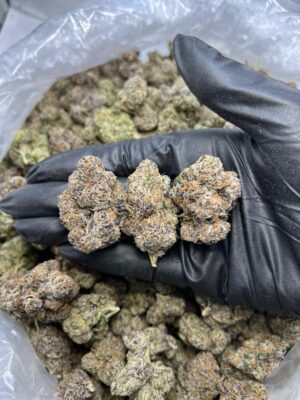
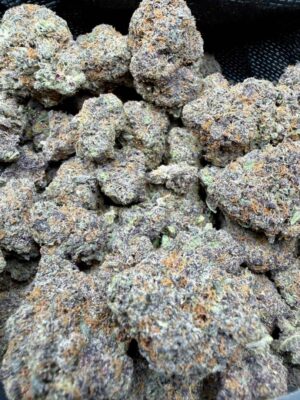
This is where Candy Gas really earns its name. The aroma is loud and unmistakable open the jar and you’re hit with:
- Sweet candy and berry on the front end
- Fuel and diesel cutting through underneath
- Earthy pine on the finish
When smoked or vaped, the flavor profile translates beautifully. The inhale is smooth and sweet, while the exhale carries that distinctive gas that cannabis connoisseurs specifically seek out. It’s a full-sensory experience that keeps people coming back.
Pros & Cons of the Candy Gas Strain ✅❌
Pros
- High THC content delivers strong, lasting effects
- Unique flavor profile that stands out in a crowded market
- Versatile works for recreational and therapeutic use
- Balanced hybrid effects suit most tolerance levels
- Dense, resin-heavy buds make it ideal for extract production

Cons
- Potency may be too intense for beginners
- Dry mouth and dry eyes are common side effects
- Can cause mild anxiety or paranoia in sensitive individuals at high doses
- May be harder to find than mainstream strains depending on your region
- Requires consistent humidity control when growing
Growing the Candy Gas Strain: Expert Tips 🌱
Whether you’re a home cultivator or a licensed producer, Candy Gas is a rewarding grow when conditions are right. Here’s what experienced growers consistently report:
Key Growing Stats
| Parameter | Details |
|---|---|
| Flowering Time | 8–10 weeks |
| Yield (Indoor) | 400–500g/m² |
| Yield (Outdoor) | Up to 600g/plant |
| Height | Medium (3–5 ft indoor) |
| Difficulty | Intermediate |
Top Growing Recommendations
- Control humidity strictly — Candy Gas buds are dense and can be susceptible to bud rot. Keep relative humidity below 50% during late flowering.
- Train early — LST (Low Stress Training) or SCROG setups maximize canopy exposure and improve yields significantly.
- Flush thoroughly — To protect the terpene profile and clean up that candy flavor, flush 10–14 days before harvest.
- Harvest timing matters — Wait for at least 70% cloudy trichomes with some amber for the full relaxation effect. Harvesting too early will mute the gas notes.
- Feed conservatively — This strain doesn’t love heavy nitrogen loads during mid-flower. Dial back N and push P/K for denser, more aromatic buds.
Expert Take: Why Candy Gas Is Gaining Market Traction
Cannabis industry analysts and retail buyers have noted a significant trend toward “dessert gas” hybrids strains that blend sweet flavor profiles with potent, gassy genetics. Candy Gas fits directly into this category and benefits from the same consumer appetite that made Runtz and Gelato household names.
Independent lab data from licensed dispensaries consistently shows Candy Gas testing in the 24–27% THC range, which places it firmly in the premium tier. Combine that with the growing consumer emphasis on terpene quality over raw THC numbers, and Candy Gas has a profile that checks every box.
Budtenders at high-volume dispensaries frequently rank it among top sellers in the hybrid category, particularly with consumers who prioritize flavor + potency + balanced effects the three things Candy Gas delivers reliably. 💯
How to Consume Candy Gas for Best Results
Getting the most out of this strain comes down to method and mindset:
- Dry herb vaporizer (recommended): Preserves the full terpene profile. Set temperature between 185–210°C for optimal flavor and effect balance.
- Glass pipe or bong: Fast onset, clean taste on the first hit.
- Pre-rolls: Convenient but may slightly mute terpene complexity due to combustion heat.
- Concentrates: If you can find Candy Gas live resin or rosin, it’s exceptional the terpene extraction process amplifies that sweet-gas combination dramatically.
Start low if you’re new to high-THC strains. One or two measured hits is plenty to gauge your personal response before increasing consumption.
Conclusion: Is Candy Gas Worth It?
The Candy Gas strain earns its reputation at every level from genetics and terpenes to effects and grow performance. It’s a thoughtfully constructed hybrid that delivers complexity without confusion. The flavor is genuinely memorable, the effects are well-balanced, and the THC potency puts it firmly in the premium category.
If you’re building a strain collection, managing a dispensary menu, or simply looking for your next favorite hybrid, Candy Gas belongs on your shortlist. It’s not just hyped the genetics, the lab numbers, and the real-world consumer feedback all back it up. 🍬🔥